

Algorithms, Attachment & Attention
📍Three Themes That Defined the Final Day of NEM Dubrovnik

Happy Tuesday, Wavemakers!
Let’s be honest: a lot of industry conferences start to feel the same after a while. NEM Dubrovnik didn’t.
Great speakers (including plenty of new voices), fantastic organisation, lots of meaningful conversations, and one of the best event locations I’ve ever experienced.
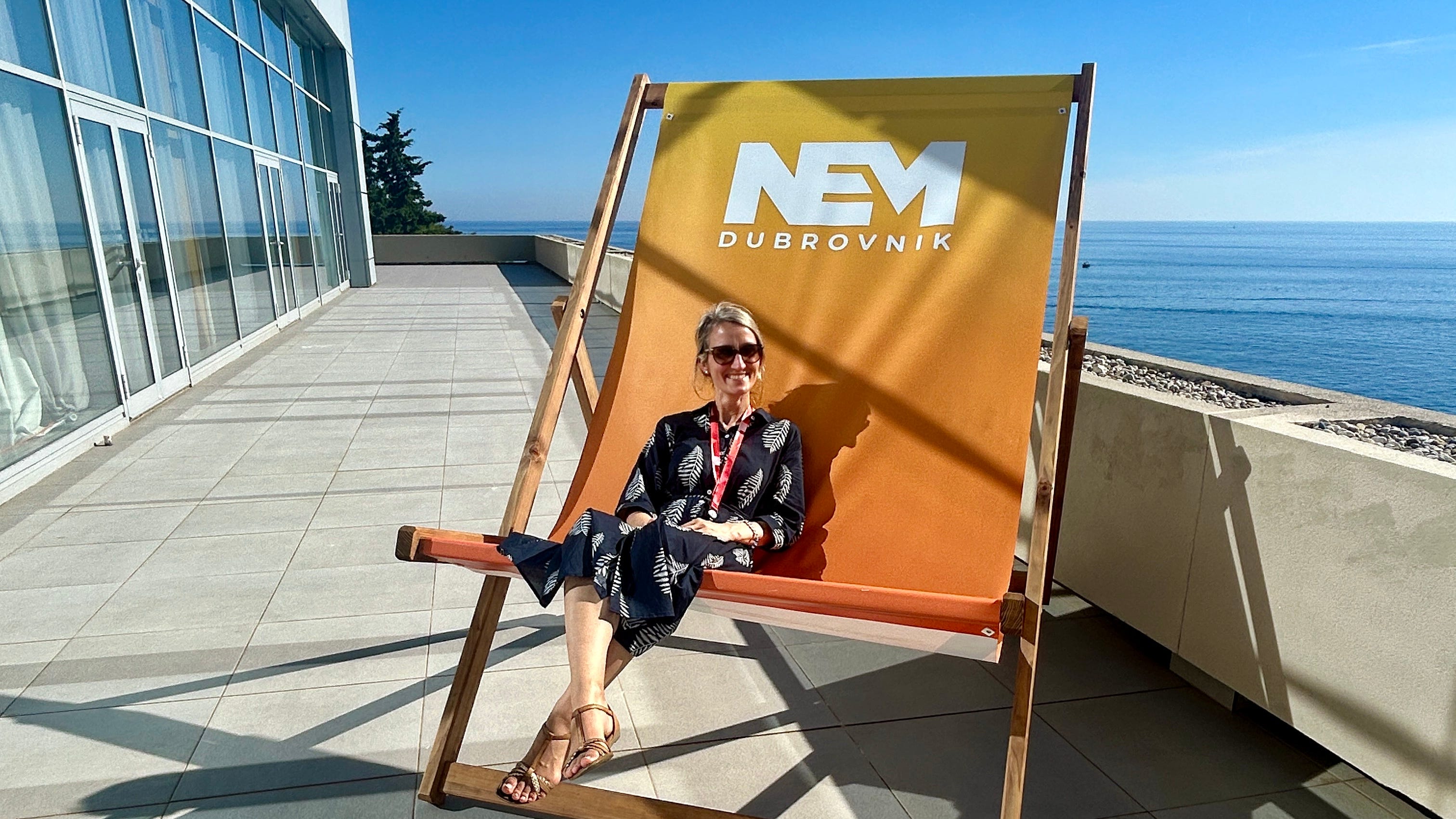
I only joined NEM Dubrovnik for the final day (unfortunately), but it was enough to fill several notebook pages. Here are the biggest insights I took away from Wednesday's sessions.
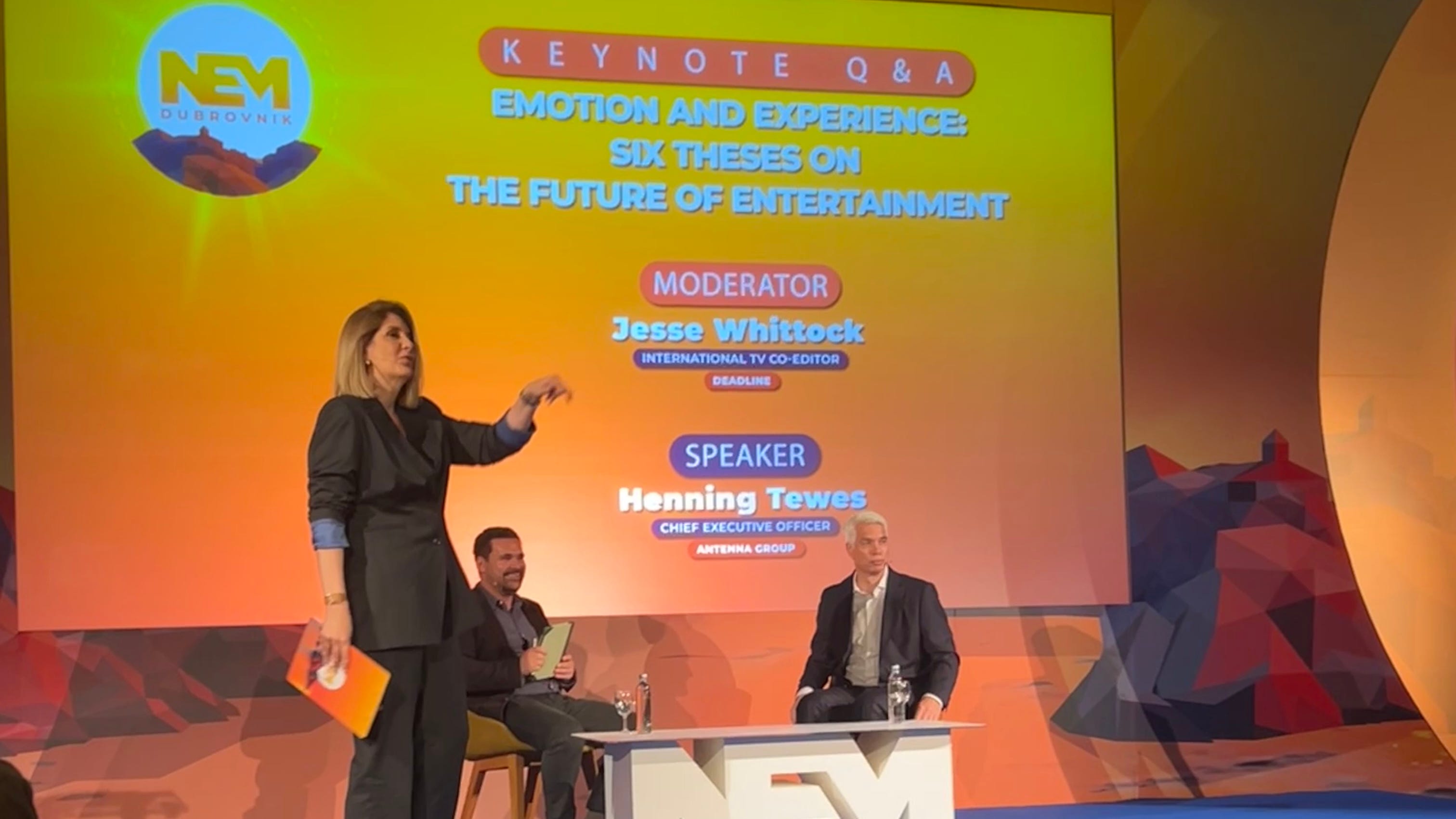
Antenna Keynote: The Future of TV Needs Gravity
Speaker:
Henning Tewes, CEO, Antenna Group
Henning Tewes opened his keynote with a simple but powerful observation: linear television is declining, AI and digital platforms are accelerating, and every media company must transform.
His framework for understanding the future was "gravity" - the ability to attract audiences, creators, advertisers and capital in an increasingly fragmented media landscape.
Key Takeaways
1. Scale Matters More Than Ever
Netflix isn’t just a streaming service. It’s a combination of content, technology, distribution, and capital.
European broadcasters can’t compete alone.
“Only alliances and partnerships in local markets are creating strength and gravity.”
2. The Problem Isn’t Too Much Content
It’s too much content people don’t care about.
Tewes argued that executives have become overly focused on data and subscriptions instead of emotional connection.
Using Taylor Swift as an example, he highlighted that fandom is built on community and belonging.
“Subscription is not attachment.”
3. Entertainment Is Moving Beyond the Screen
Consumers increasingly want participation rather than passive viewing.
Location-based entertainment, live events, and immersive experiences create deeper audience relationships.
4. Cinema Remains Surprisingly Resilient
The success of cinemas isn’t just about movies.
“The product is not the film. It’s the night out.”
Tewes described cinema as another opportunity for media companies to create emotional connections and shared experiences.
5. News Is a Growth Opportunity
While entertainment becomes more fragmented, trusted news brands have an opportunity to stand out.
“Television creates reach. Streaming creates data. News creates trust. Cinema and experiences create attachment.”
The Big Idea
The future belongs to companies that create ongoing relationships rather than one-off transactions.
As Tewes put it:
“Create attention and the money will follow.”
And perhaps the most telling comment of the session:
“We perceive YouTube as our biggest competitor, more than Netflix.”
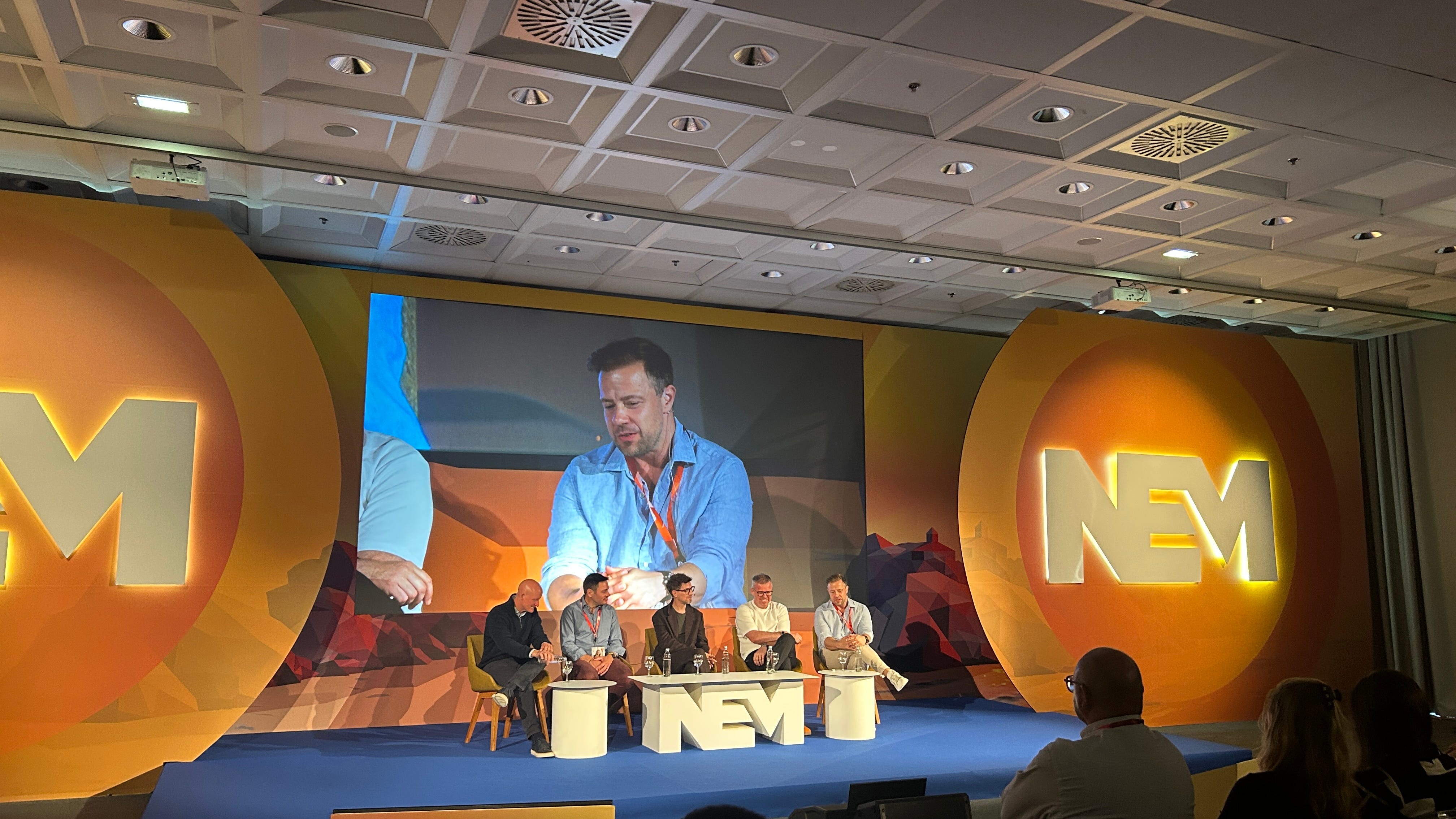
From Search to Suggestion: How AI Is Redefining Discovery
Speakers:
Julien Tanguy, Head of R&D & Products, Wiztivi
Antonii Mangov, Programming Director, PRO TV
Denis Oštir, Editor-in-Chief, V
Michal Stefanski, Head of Partnerships CEE, Google
The panel explored how AI is shifting content discovery from search-based navigation to recommendation-based experiences. While technology can increasingly predict what viewers want, speakers repeatedly emphasised that user experience, trust and serendipity remain essential.
The consensus: discovery isn’t broken, but it’s becoming increasingly difficult as content choices multiply.
Key Takeaways
1. The Industry Has Made TV Too Complicated
Denis Oštir argued that media companies have optimised for technology rather than audiences.
“We have evolved without thinking about the customer in front of the TV.”
His vision is a future where platforms work together behind the scenes and remove friction for viewers.
2. Hyper-Personalisation Is Coming
Antonii Mangov described today’s market as a “golden age of content” but one with unprecedented fragmentation.
“Discovery is not fundamentally broken, but it has become difficult.”
The next phase will involve highly personalised recommendations, but he warned against eliminating serendipity.
“We need to leave space for surprises.”
3. Search Is Becoming Intent-Based
Michal Stefanski noted that consumers are already moving from keywords to prompts.
Algorithms increasingly understand intent rather than specific search terms.
Yet he raised an important ethical question:
“The technology is there. The question is: should we do it?”
His concern was that emotional states may be too personal for platforms to interpret.
4. Your Next Recommendation Engine May Feel Like a Friend
For Julien Tanguy, the future isn’t about metadata.
It’s about AI understanding viewers deeply enough to act like a trusted companion.
“It’s not about metadata. It’s about AI learning about your customers. Like a mate.”
The Big Idea
As AI gets better at recommendation, human curation may actually become more valuable.
One of the panel’s strongest conclusions was that:
“As algorithms become flawless, the human element of discovery will become more important.”
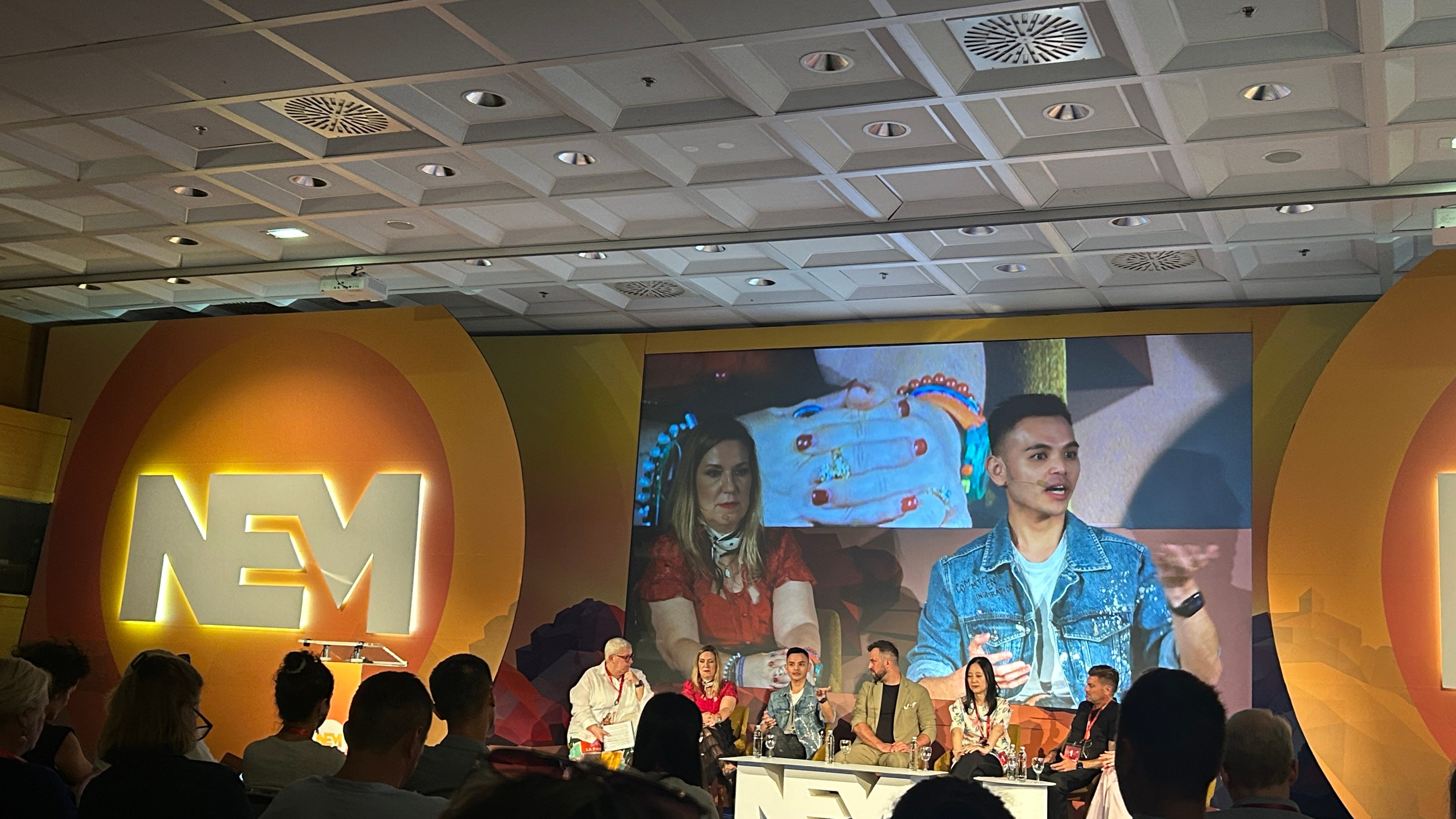
Micro Drama in CEE: Safe Bet or Risky Business?
Speakers:
Maria Rua Aguete, Omdia
Timothy Oh, COL Group International
Łukasz Wysocki, MediaSpurs
Cassandra Yang, RisingJoy
Uglješa Jokić, Rainmaker Production
Monika Skeltė, LNK TV
The hottest topic at NEM was undoubtedly Micro Drama. While speakers disagreed on whether it represents a sustainable business model, they largely agreed that it reflects a major shift in consumer behaviour toward mobile-first, short-form storytelling.
Key Takeaways
1. Micro Drama Is Already a Massive Business
Maria Rua Aguete highlighted that the category now generates billions in revenue globally and is rapidly expanding beyond China.
A key insight:
“People like it, watch it, and pay for it.”
2. The Format Matches Existing Behaviour
According to Timothy Oh, Micro Drama isn’t creating a new habit.
It’s building on behaviours audiences already have through Stories, Reels and TikTok.
“We’re not changing habits.”
He described the format as highly structured and highly commercial.
3. Mobile-First Isn’t Optional
Multiple speakers agreed that vertical storytelling is becoming essential because audience attention has already migrated to smartphones.
One statistic stood out:
“80% of platform traffic comes from mobile phones.”
4. Speed Beats Sophistication
Micro Drama requires a very different storytelling language.
“You need to deliver quick, dramatic emotions.”
The rules include:
Hook viewers within seconds
Faster pacing
More emotional intensity
Dialogue-driven storytelling
As Cassandra Yang summarised it:
“Hook them in three seconds.”
5. The Real Risk Is ignoring It
While speakers disagreed on long-term business models, there was broad consensus on one point.
“It’s riskier to ignore it.”
The Big Idea
Micro Drama may not replace television, but it is becoming a significant new storytelling format.
The biggest lesson wasn’t about production.
It was about audience behaviour:
“People are already swiping.”
The Trend You Think Is Overhyped
Speakers:
Branko Čakarmiš, POP TV
Vanda Rapti, Viaplay Group
Izabella Wiley, Hearst Networks
Kenechi Belusevic, Warner Bros. Discovery
Tereza Polachová, Czech Television
Inga Alika, Alika Media and Tech
Maria Rua Aguete, Omdia
Timothy Oh, COL Group International
This lively debate challenged some of the industry's biggest buzzwords, with Micro Drama and FAST Channels emerging as the most controversial topics. The discussion highlighted the growing gap between audience adoption, business reality and industry hype.
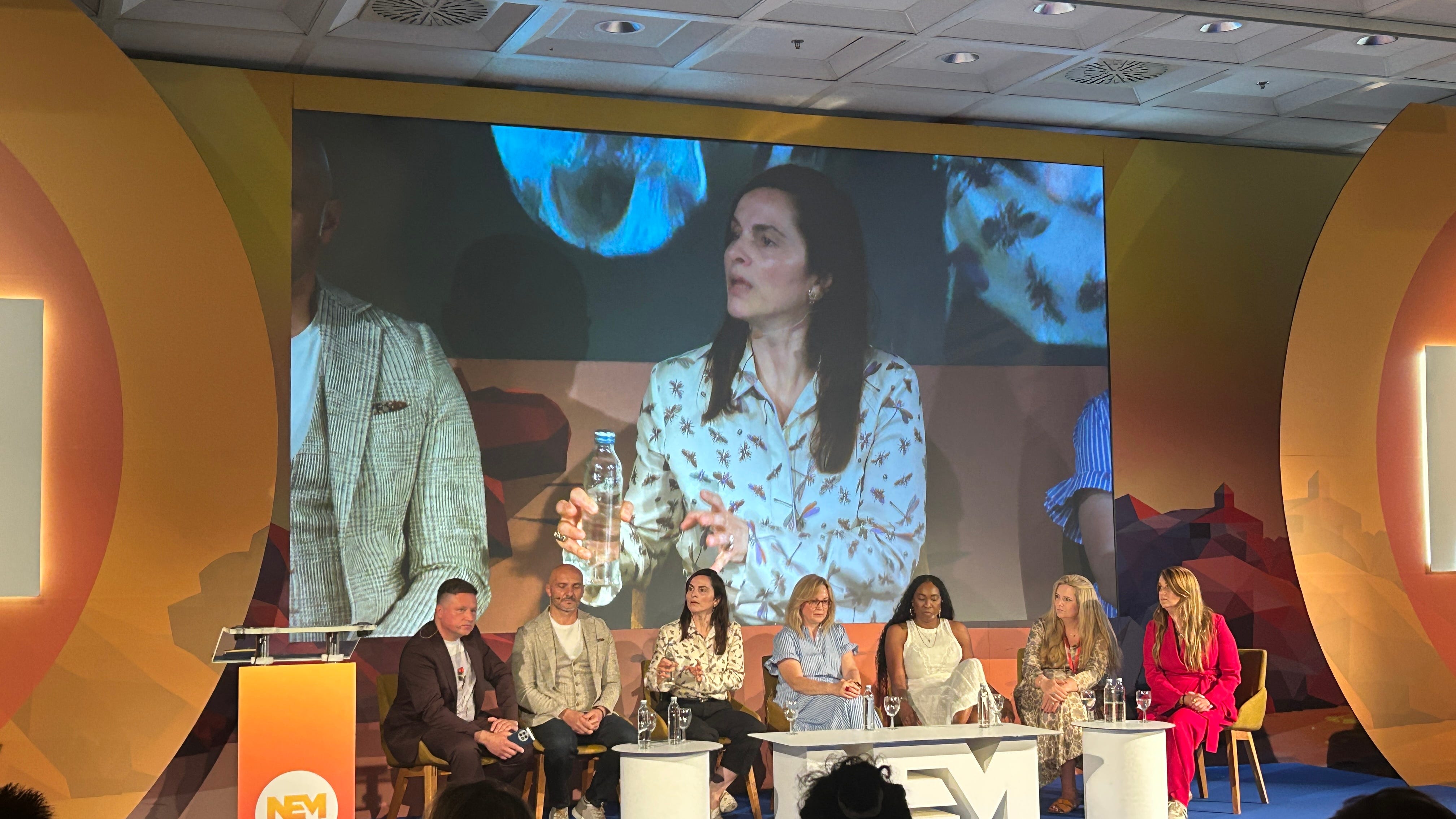
1. Micro-Drama: Revolution or Fast Food?
Views varied dramatically.
Some saw a multi-billion-dollar opportunity.
Others questioned whether the economics work once marketing costs are included.
One memorable comparison came from Branko Čakarmiš:
“Typical fast food. If you want real food, you go to streamers.”
Meanwhile, others argued the industry is missing the point.
“Micro Drama is a format. The content itself can be premium or low quality.”
2. FAST: Bigger Hype Than Business?
Several executives suggested FAST has been oversold, particularly in Central and Eastern Europe.
While it works in larger markets like the US and UK, many questioned whether local economics support it.
One blunt assessment:
“It doesn’t make a lot of money for most content.”
The Big Idea
The debate revealed a broader theme running through NEM:
Media companies shouldn’t blindly chase trends.
Instead, they should evaluate whether a format solves a real audience need, fits local market dynamics, and has a sustainable business model.
As one speaker noted, the future isn’t about choosing between traditional TV and emerging formats.
It’s about understanding where each format creates value.
🎯 What Actually Matters Now
Attention > Content Volume
Emotion > Data
Attachment > Subscriptions
Experiences > Passive Consumption
Discovery > Search
Mobile-first > TV-first
Local alliances > Going it Alone
Trust > Algorithms
📌 The Bottom Line
If there was one idea that kept coming up throughout NEM Dubrovnik, it was gravity.
Not scale for the sake of scale. Not technology for the sake of technology.
Gravity: the ability to attract and retain audiences in an increasingly fragmented media landscape.
Whether the discussion was about AI-powered discovery, Micro Drama, news, fandom, or live experiences, the underlying challenge was the same: how do you create a lasting relationship with an audience when attention is scattered across countless platforms?
The answer wasn’t more content.
It was better experiences, stronger emotional connections, and a deeper understanding of what audiences actually care about.
As Henning Tewes put it: “Subscription is not attachment.”
And perhaps that’s the biggest takeaway from NEM:
The future belongs to the companies that create gravity.
Sandra x
Please feel free to reach out to me if you would like to discuss this further or if you have any questions: sandra@tvfuturist.com or connect with me on LinkedIn.