

Weekend Waves 19/26
📡 Netflix, YouTube & ChatGPT: The Shift Towards Ambient Entertainment

Happy Friday, Wavemakers!
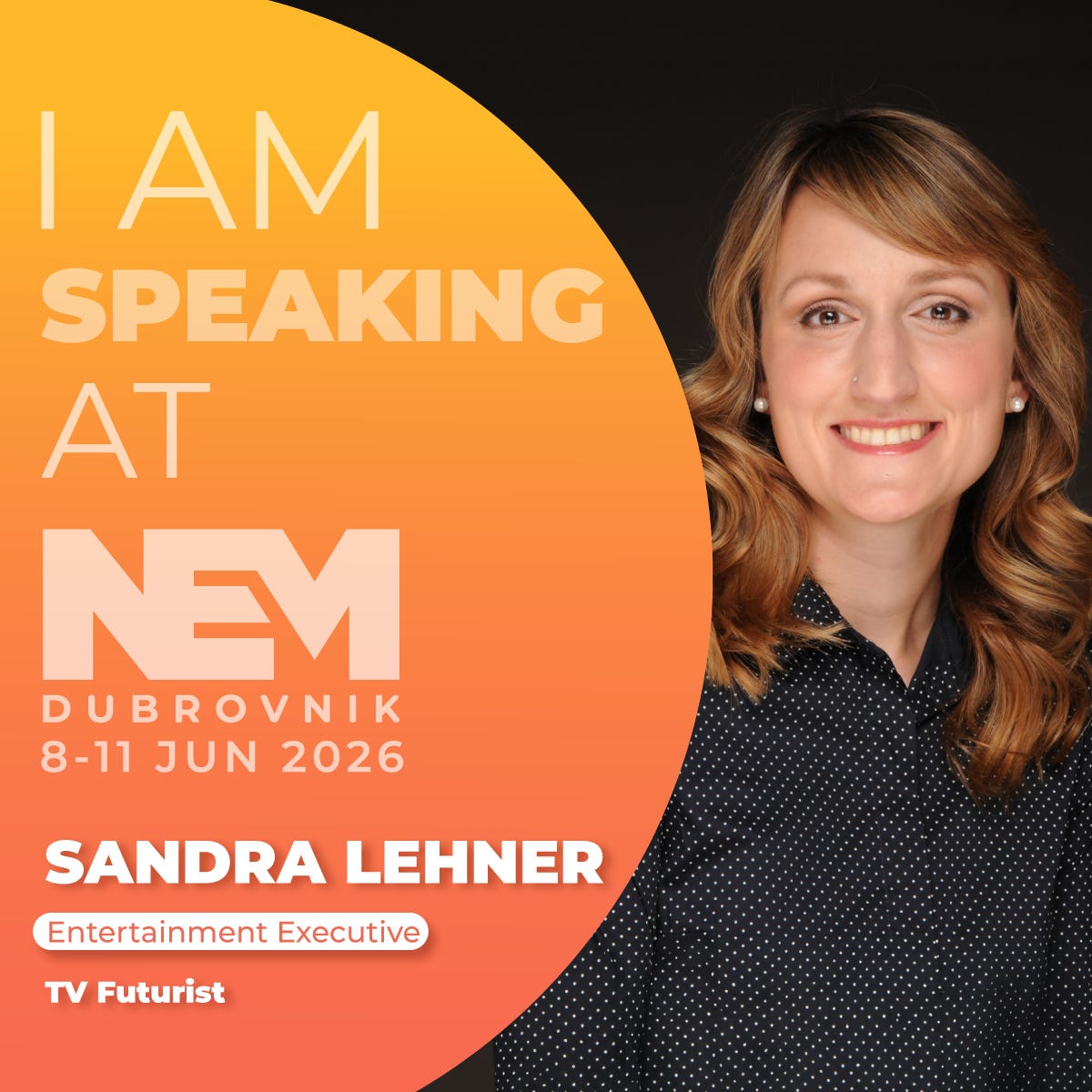
Before we dive in: I’m excited to share that I’ll be speaking at NEM Dubrovnik 2026, one of the leading media industry events in the CEE region. Looking forward to insightful discussions, new connections, and seeing many of you in Dubrovnik this June.
Instead of opening platforms and deciding what to watch, content is now finding its way into micro-moments across the day: in scrolls, prompts, feeds, and algorithmic suggestions that increasingly do the deciding for us.
So, here are the top stories making waves this week:
1️⃣ Netflix Launches “Clips” Feed as Discovery
2️⃣ From Destination Viewing to Ambient Entertainment
3️⃣ MrBeast’s Latest Legal Clash
Let’s dive in!
🌊 News that Made Waves
Netflix Doubles Down on Vertical Video on Mobile, Launches ‘Clips’ Feed.
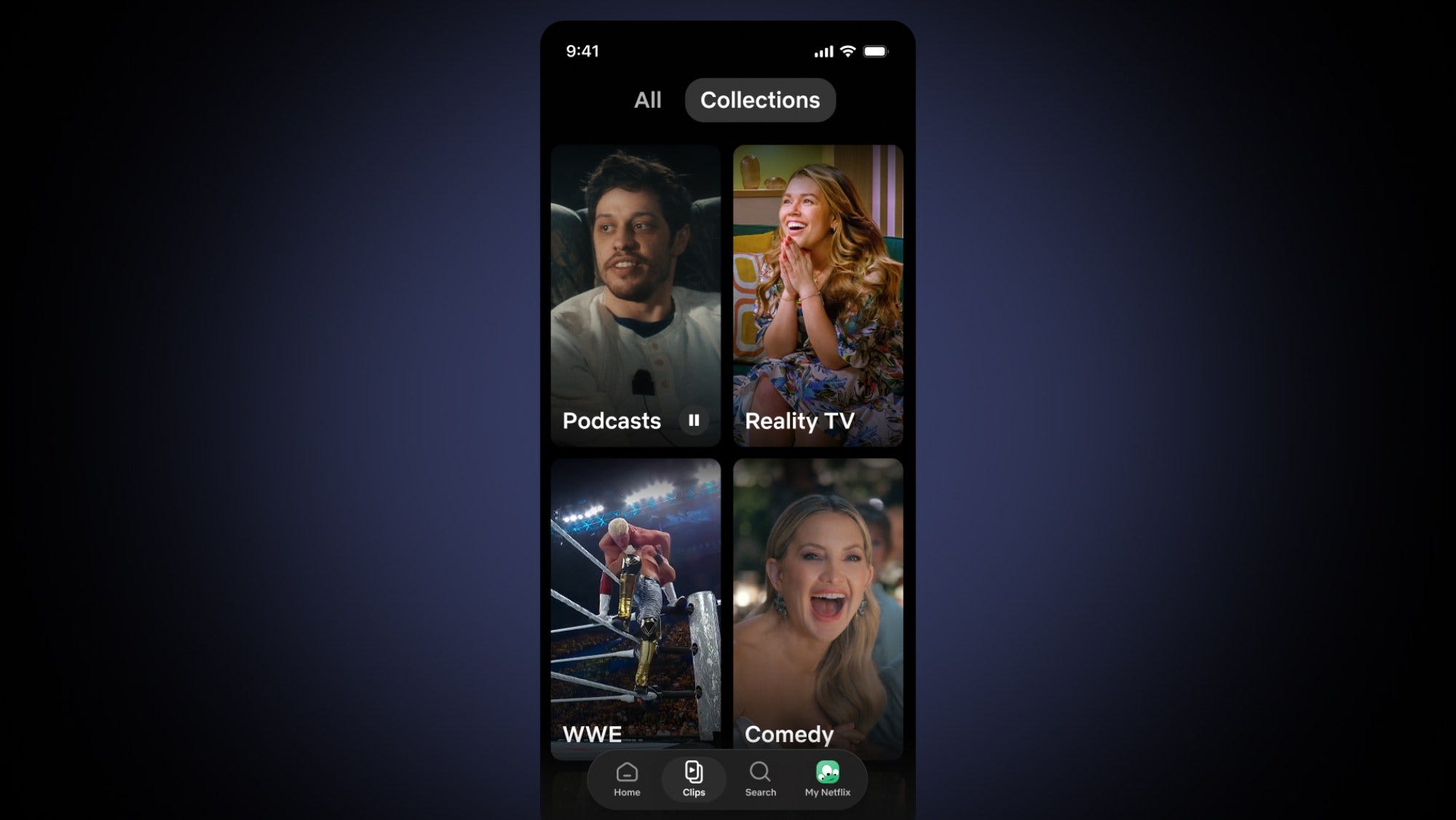
Netflix is doubling down on vertical video, launching an entirely new feature on mobile phones called “Clips” that is meant to drive both engagement and discovery for its users. Vertical video is not new to Netflix. It launched Previews in 2018, and then Fast Laughs in 2021, but Clips is a significant expansion of that concept, encompassing all genres and with a heavy focus on personalisation, more akin to TikTok or YouTube Shorts than what came before. At launch it will include clips from Netflix’s library and some new programming, with a regular cadence of clips expected to be added on a regular basis. Eventually clips from podcasts and live events will be added to the Clips feature as well. There will also be themed collections based on genres and formats. The personalised algorithm means that two users who enjoyed the same film or show could end up seeing very different clips. Of course, Netflix isn’t TikTok, and it isn’t trying to be. The goal with Clips is ultimately to get people to watch a film or TV show on Netflix, most likely on their TV screen. But with people choosing to watch vertical videos on their phones while on the go, Netflix needs to scratch that itch too. (THR)
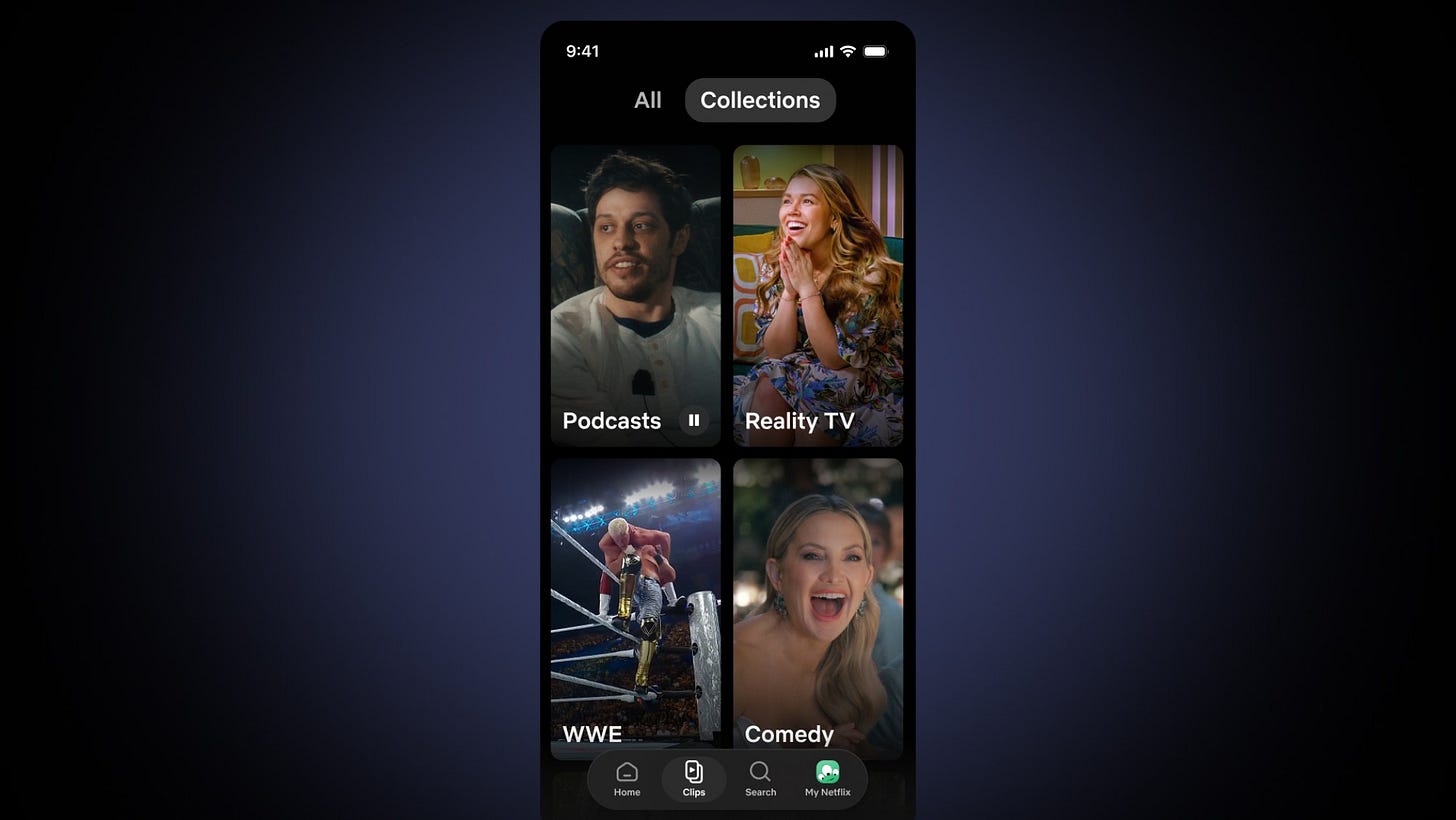
💡Netflix’s new Clips feed isn’t about turning the platform into TikTok, it’s about accepting that discovery now happens in short-form, while long-form remains the destination. The real shift is that streaming platforms are no longer competing just on content, but on how effectively they can capture attention in the moments between watching.
YouTube Hits Nearly $10 Billion in Q1 Ad Revenue.
Alphabet‘s stock jumped more than 6% in after-hours trading following a strong quarterly earnings call–a call that multiple times gave credit to YouTube for driving growth. Q1 2026 earnings showed YouTube brought in $9.88 billion, a 10.7% year-over-year increase from Q1 2025. The figure was slightly shy of analyst expectations ($9.99 billion), but still an enormous jump from where the platform was pre-COVID - and a sizable portion of Google’s total ad revenue, which came in at $77.25 billion for the quarter, a 15.5% increase from this time last year. Alphabet also nodded to YouTube as one of the core components driving the company’s overall paid subscriptions to 350 million. This follows a late 2025 announcement that revealed YouTube Premium hit 125 million subscribers. (Tubefilter)
💡YouTube’s nearly $10 billion quarter shows that it’s no longer just a video platform sitting inside Google, but it’s becoming one of the most powerful media businesses in the world, successfully monetising both attention and subscriptions at a scale traditional TV networks can’t match.
More Than Half of Gen Z Users Cancel and Renew Streaming Services for a Single Title, Won’t Purchase Full-Price Video Games, New Study Finds.
According to the newly released “Generations In Play: 2026 Audience Insights Report,” which was published by Dentsu and IGN Entertainment, 59% of Gen Z users surveyed actively subscribe and unsubscribe to streamers to “chase a single title.” The report asserts this means “platform loyalty is effectively dead.” Additionally, the data finds 62% of Gen Z won’t pay full price for video games, 71% have stopped buying physical music, and 70% no longer buy hard copies of TV shows and movies. A bright spot for Hollywood in the study says Gen Z is the most theatrical generation with 13% more likely to attend opening weekend than older movie-goers. (Variety)

💡Gen Z isn’t rejecting entertainment, they’re rejecting ownership and long-term commitment. They’ll still show up for experiences that feel culturally urgent, like a major theatrical release, but loyalty to platforms, formats, and even pricing models is rapidly disappearing in favour of flexible, title-by-title consumption.
Netflix Plans First Wide Theatrical Release With ‘Narnia’.
Narnia: The Magician’s Nephew, directed by Greta Gerwig, will be released in theatres on February 12 and then become available for streaming on April 2. Netflix has been moving away from releasing movies exclusively on its platform slowly, from post-release screenings to same day, limited releases in theatres. This next change signals that they might finally be warming up to theatres as a full piece of their model - a smart move considering young people are the driving force behind a resurgence in moviegoing. And while Netflix said that there aren’t any changes to the company’s long-term theatrical strategy, the change is good news for theatres and filmmakers who are trying to usher in higher box office sales. (NYT)
💡Netflix’s wider theatrical push with Narnia suggests the streaming wars are entering a new phase: platforms are realising that cultural impact doesn’t start on the homepage - it starts with events. A strong cinema release can create the kind of anticipation, conversation, and prestige that streaming alone still struggles to replicate.
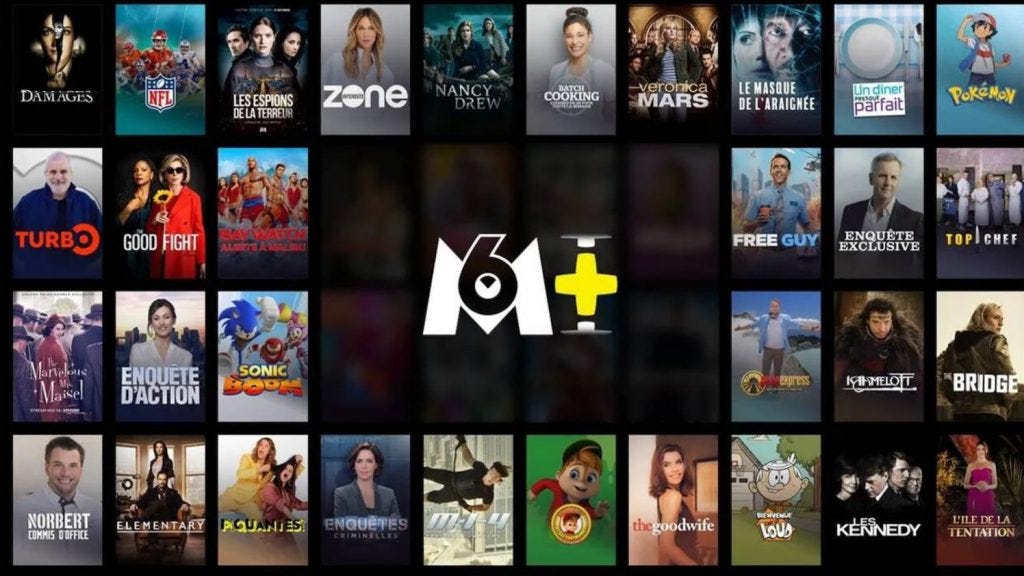
M6+ Launches Inside ChatGPT.
Groupe M6 has launched its streaming service M6+ within ChatGPT, marking a new step in the use of conversational AI for TV content discovery. The integration allows users to search for M6+ programmes through natural language queries, rather than browsing through menus or recommendation rails. Viewers can ask for content by genre, mood, theme or title, with ChatGPT surfacing relevant suggestions and linking through to the M6+ platform. M6+ is the group’s free, ad-supported streaming service, bringing together programming from M6, W9, 6ter and Gulli, alongside originals, boxsets and catch-up content. The move makes M6+ one of the first European broadcasters to use ChatGPT as a discovery layer for streaming. For M6, the launch is designed to improve content discoverability and extend the reach of its AVOD platform beyond its own app environment.
The development also underlines a broader shift in streaming, as broadcasters experiment with AI-driven interfaces to help audiences navigate increasingly large catalogues. (BTN)
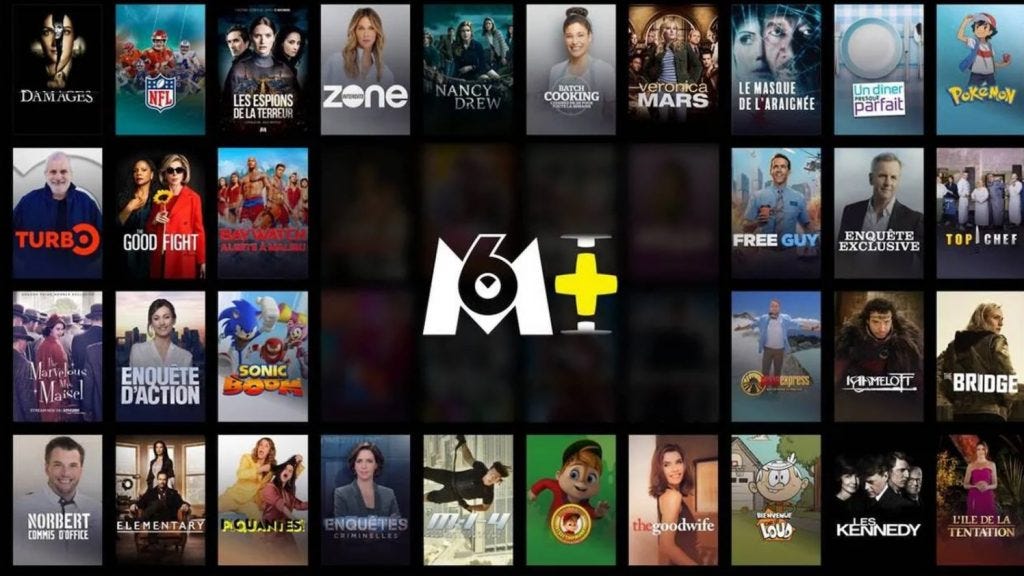
💡 M6+ launching inside ChatGPT signals a bigger shift in streaming: discovery is starting to move away from apps and towards AI assistants. In the future, platforms may compete less on interface design and more on whether their content can surface naturally inside conversational ecosystems where audiences already spend their time.

🧠 Strategy Spotlight: The Shift From Destination Viewing to Ambient Entertainment
Earlier this week, NEM asked me to answer one of their “burning questions”: What’s something that is overlooked in streaming?
My answer was simple: habit.
For years, the streaming wars have been framed around content libraries, pricing, and technology. But one of the most important factors behind audience behaviour is much more human than that.
Entertainment consumption is deeply tied to routines, rituals, and moments throughout the day.
And this week’s news cycle showed exactly why that matters.
Entertainment Is No Longer a Destination
Streaming platforms used to operate like destinations. You consciously opened Netflix, browsed for something to watch, pressed play, and settled in for the evening.
But audience behaviour has changed dramatically.
Today, entertainment is increasingly ambient. It surrounds us continuously throughout the day across phones, social feeds, recommendation algorithms, podcasts, YouTube clips, AI assistants, and live cultural moments.
People no longer move through entertainment in a linear way. They drift in and out of content constantly.
That’s why Netflix launching its new vertical “Clips” feed matters far beyond short-form video itself. Netflix understands that discovery no longer starts on the TV screen. It starts during fragmented moments: standing in line, commuting, scrolling before bed, or checking your phone between meetings.
The platform is adapting to audience habits instead of trying to force audiences back into old viewing behaviours.
The New Discovery Layer
The same shift is visible in M6+ launching inside ChatGPT.
This may sound like a small product update, but strategically it’s significant. It signals that discovery is moving beyond apps entirely.
For years, streamers competed on interface design: better homepages, recommendation rails, autoplay previews. But increasingly, audiences may not begin their entertainment journey inside a streaming app at all.
Instead, discovery could happen through AI assistants, social conversations, creator recommendations, or algorithmic feeds elsewhere online.
In other words: the entertainment ecosystem is becoming decentralised.
Habits Matter More Than Loyalty
This also helps explain why Gen Z behaves so differently toward subscriptions.
The latest study showing that over half of Gen Z users subscribe and unsubscribe for a single title isn’t simply about price sensitivity. It reflects a broader behavioural shift.
Younger audiences are building entertainment habits around flexibility, immediacy, and cultural relevance rather than long-term platform loyalty.
They don’t feel emotionally attached to a service in the same way previous generations did with cable packages or even early streaming brands.
They follow moments.
The Companies That Win
This is why YouTube’s nearly $10 billion quarter is so important.
YouTube has become deeply embedded into everyday behaviour. It isn’t just a streaming platform people intentionally visit for premium viewing. It exists across search, learning, fandom, short-form discovery, podcasts, connected TVs, and creator culture.
It fits naturally into modern audience habits. And that may become the defining competitive advantage of the next entertainment era.
⏪ ICYMI: 10 Ways Content Europe Was a Reset, Not a Revolution
One week after StreamTV Europe, Content Europe revealed a different industry mood. Not a focus on what’s changing - but on how the business is adjusting. There was no big “next thing” in Lisbon. Instead, the conversation centred on execution, formats, and making ideas work in a more constrained market. It didn’t feel like a leap forward - it felt like a reset.
Formats are now the system, not the safe option. With most unscripted commissions built around them, the bar has shifted from “good idea” to “scalable solution.”
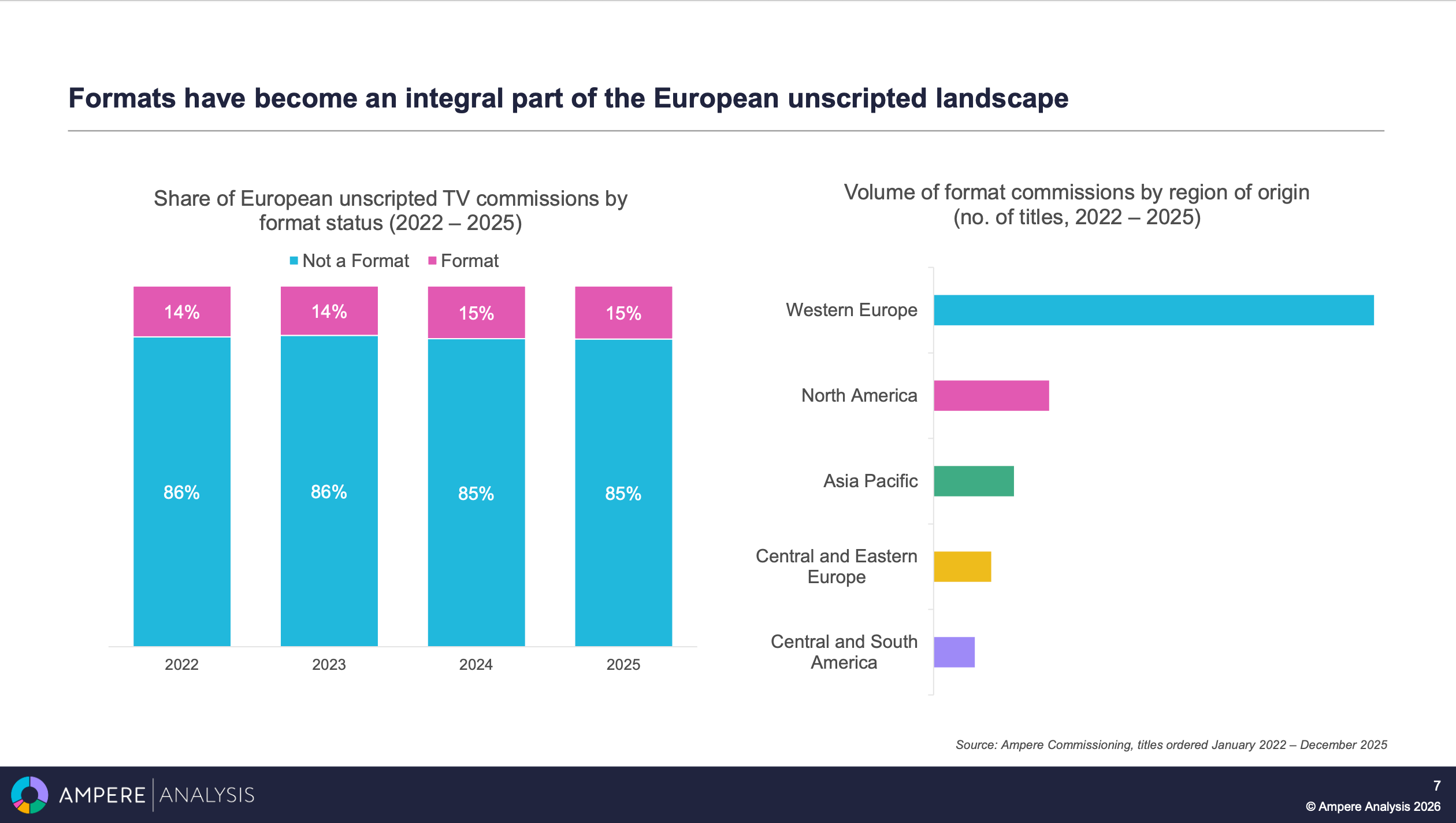
Simplicity is back, proven IP is leading, and every concept is being judged on whether it can travel, adapt, and sustain attention across platforms. Add to that more fragmented audiences, social as part of the format itself, and AI quietly refining pitches - and a clear picture emerges: creativity is being held accountable like never before.
The takeaway? This isn’t an industry chasing disruption - it’s one locking into what actually works.
👉 Read the full breakdown and all 10 shifts HERE.
👀 Format Migration Watch: When Creator Agility Meets Studio Reality
MrBeast’s latest legal clash, this time a $5M dispute with Media HQ over Beast Games, feels less like an isolated production hiccup and more like a textbook case of format migration friction.
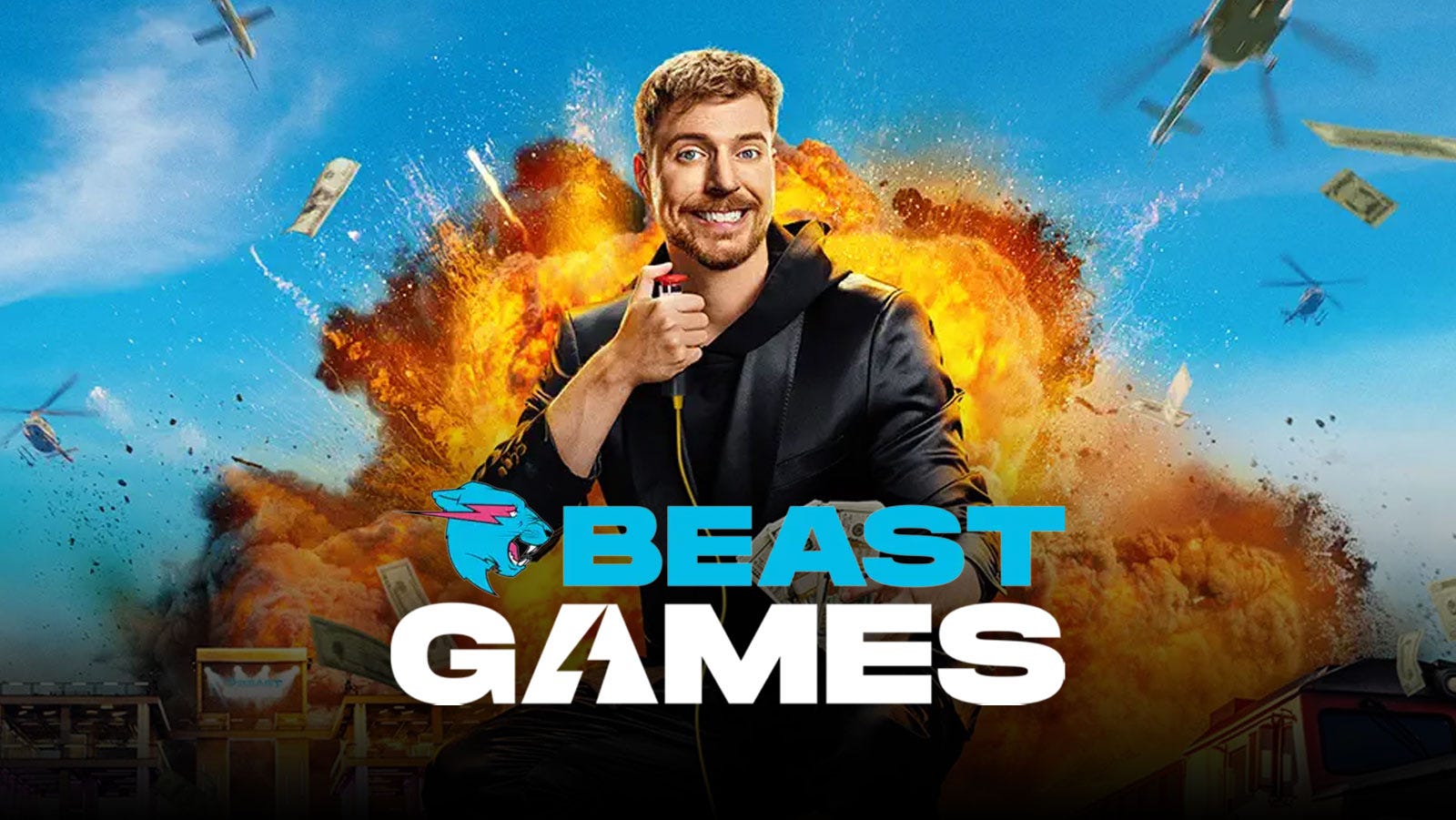
What started as a creator-led mega-format is now operating at full-scale TV level - complete with upfront payments, shifting production hubs, and contractual fallout when plans change.
In essence, the same agility that powers YouTube success is colliding with the rigidity of traditional production economics.
This is where Beast Games becomes more than just a headline-grabbing project. It’s a live experiment in what happens when a creator-native format scales into a studio-grade operation. Moving production from Toronto to Atlanta might make strategic sense on paper, but in a multi-vendor ecosystem it triggers the kind of disputes legacy TV has long been built to absorb. MrBeast isn’t just producing content anymore - he’s managing a global supply chain of production partners, and that comes with very different rules.
For Format Migration Watch, the takeaway is clear:
The leap from platform-native formats to TV-scale franchises isn’t just about budget and reach - it’s about infrastructure.
Creators can bring fresh IP and audience gravity, but once formats hit nine-figure territory, they inherit the same legal, operational, and logistical complexity as any major studio production.
Beast Games is proving that the future of formats may be creator-led - but it won’t be creator-simple.
🚀 From Learning to Building: Inside my c-tv Marketing Course
This is what happens when students stop “learning” and start building.
Back in March, I kicked off the c-tv marketing course at USTP – University of Applied Sciences St. Pölten. Now, just a few weeks later, it’s no longer just a course.
The conference - which the students are organising - is coming up in June, the first social posts are live, and you can clearly feel the shift from theory to execution.
In between, there’s been a lot of work:
❇️ Ideas turning into formats
❇️ Formats being challenged, refined, and pitched
❇️ Long Miro sessions mapping concepts, timelines, and connections
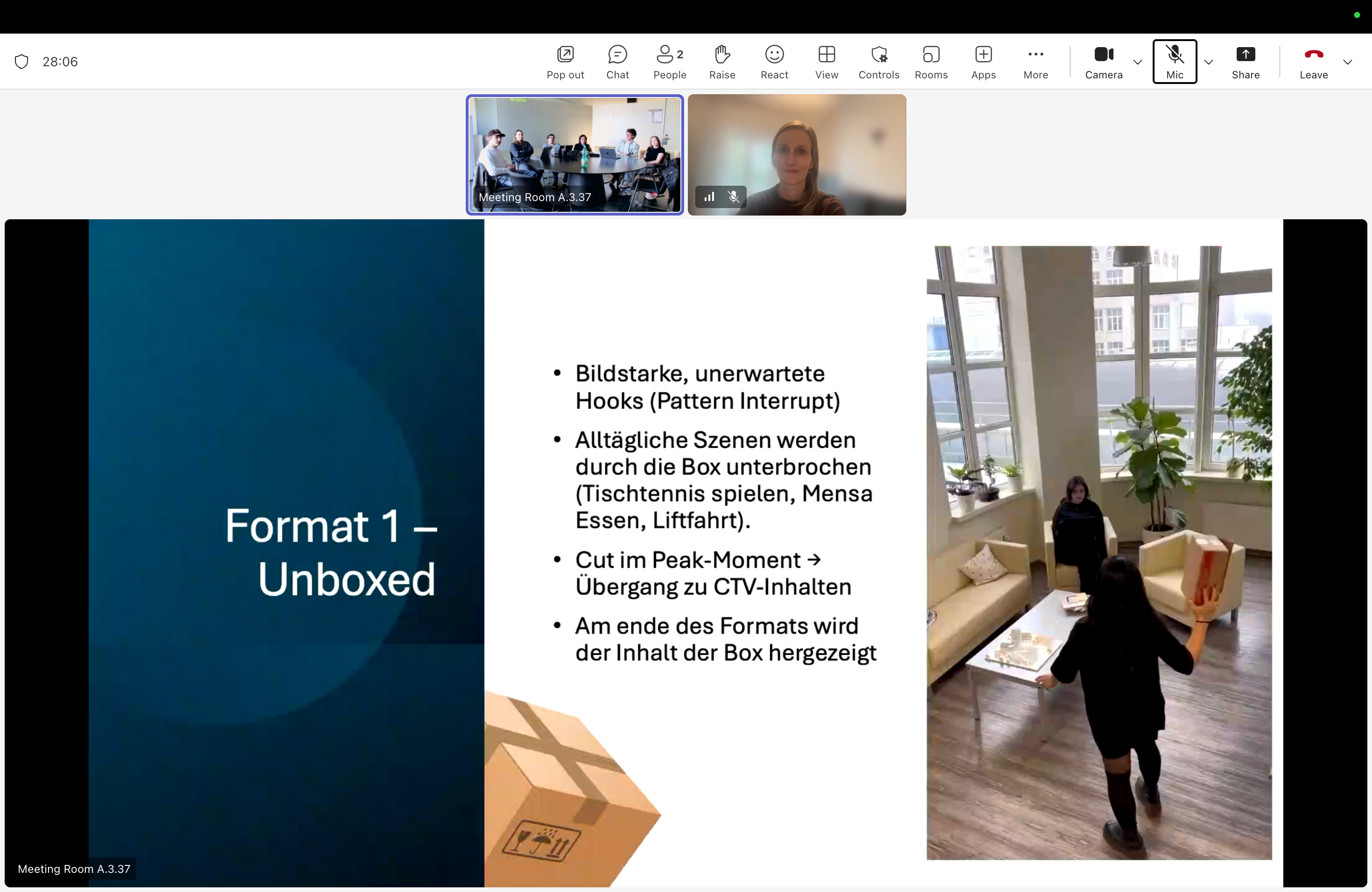
My favourite part is seeing students move from “this could be interesting” to confidently owning and presenting their ideas.
Now we’re heading into the final phase: making it all happen.
If you want to follow the journey (and see what this next generation of creators builds), follow us on Instagram 👇
https://www.instagram.com/ctv.ustp.at
☀️ Weekend Vibes
If something sparked a thought, or you think a friend would enjoy this, hit reply or forward it along. Sandra x
Please feel free to reach out to me if you would like to discuss this further or if you have any questions: sandra@tvfuturist.com or connect with me on LinkedIn.