

Weekend Waves 21/26
🔗 The Era of Creator Infrastructure

Happy Friday, Wavemakers!
Just a heads-up, next Friday you won’t hear from me as I’ll be moving countries. Because of my rescue dog Caramela, we’ll be driving from Portugal via Spain, France, Switzerland to Germany. She’s already got her country-by-country bandanas ready.
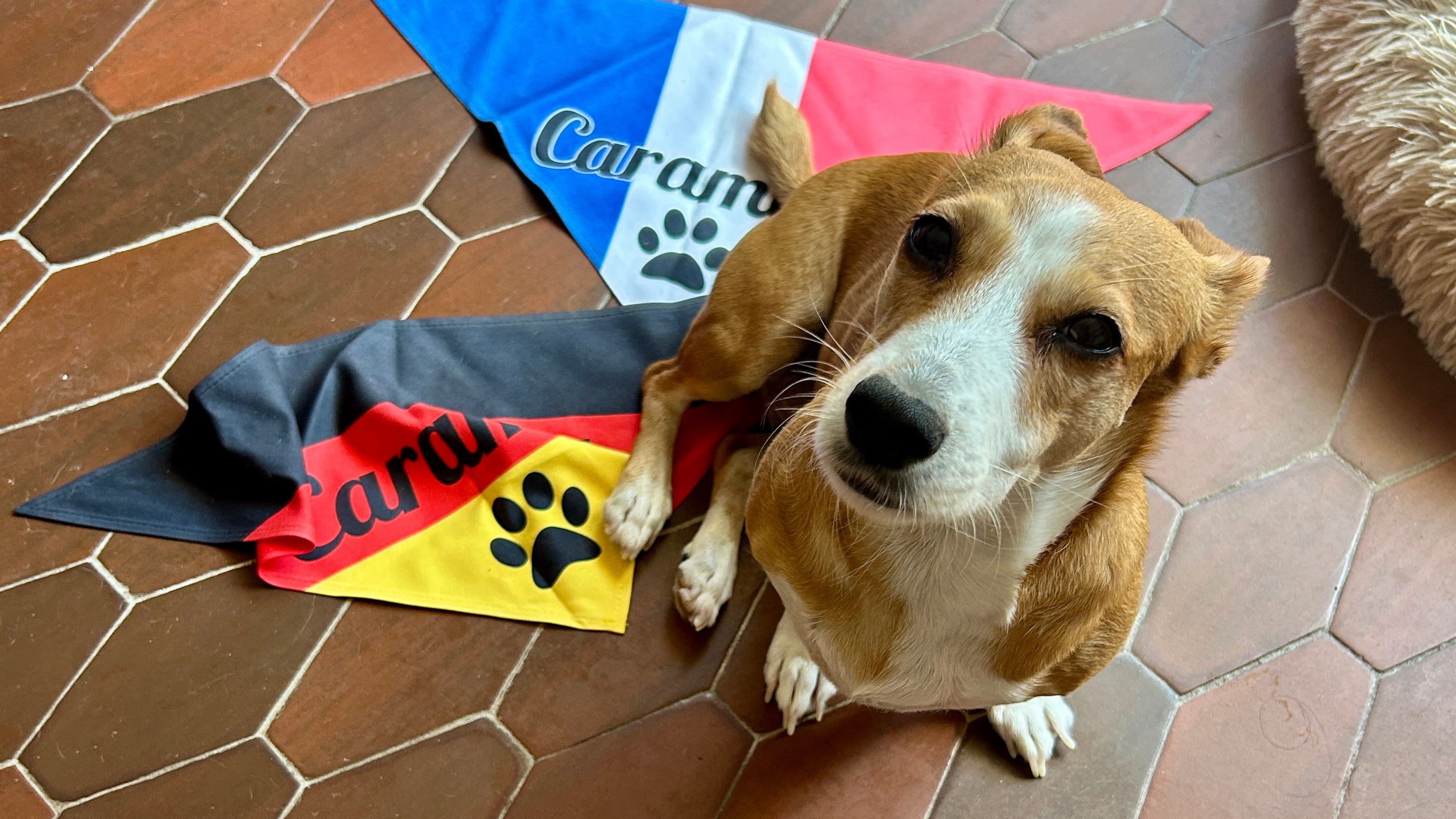
If you are curious, you can follow our journey on Instagram or TikTok. We’ll also be visiting Virginia Mouseler’s Beagles of Burgundy For those of you who don’t know, The WIT’s Virgina has been rescuing beagles from laboratories for almost 6 years now.
A week of transitions and movement ahead - which somehow feels fitting for a week where media itself is shifting shape again.
Here are the top 3 stories making waves this week:
1️⃣ YouTube leads the shift to repeat creator deals
2️⃣ Roku pushes creator led TV discovery
3️⃣ CazeTV wins LaLiga rights and creators enter distribution
Let’s dive in!
🌊 News that Made Waves
Repeat Partnerships Are the Most Effective Creator Campaigns, and YouTube Leads the Way.
Is there a “right way” for brands to work with creators? The Influencer Marketing Factory looked to answer that question with its 2026 Brand Deals Report.
The report produced a clear conclusion: Repeat creator partnerships produce stronger results than one-off collabs. That finding held true across YouTube, TikTok, and Instagram, but influencer campaigns on each of those platforms have their own strengths and weaknesses. If brands are going to prioritise recurring creator partnerships, YouTube is the place to go to execute those deals. Less than half of the YouTube posts measured by The Influencer Marketing Factory were one-off engagements, and nearly 20% of those posts were part of long-running brand ambassadorships. For comparison, on TikTok, more than 71% of the measured posts were one-offs, and fewer than 3% were part of ambassadorships. (Influencer Marketing Factory)
💡Brands aren’t just optimising for reach anymore, they’re optimising for familiarity, and YouTube is emerging as the platform where that long-term creator–brand continuity is actually built.
Want to Find Creator FAST Channels on Roku? A New Hub Is Here to Guide You.
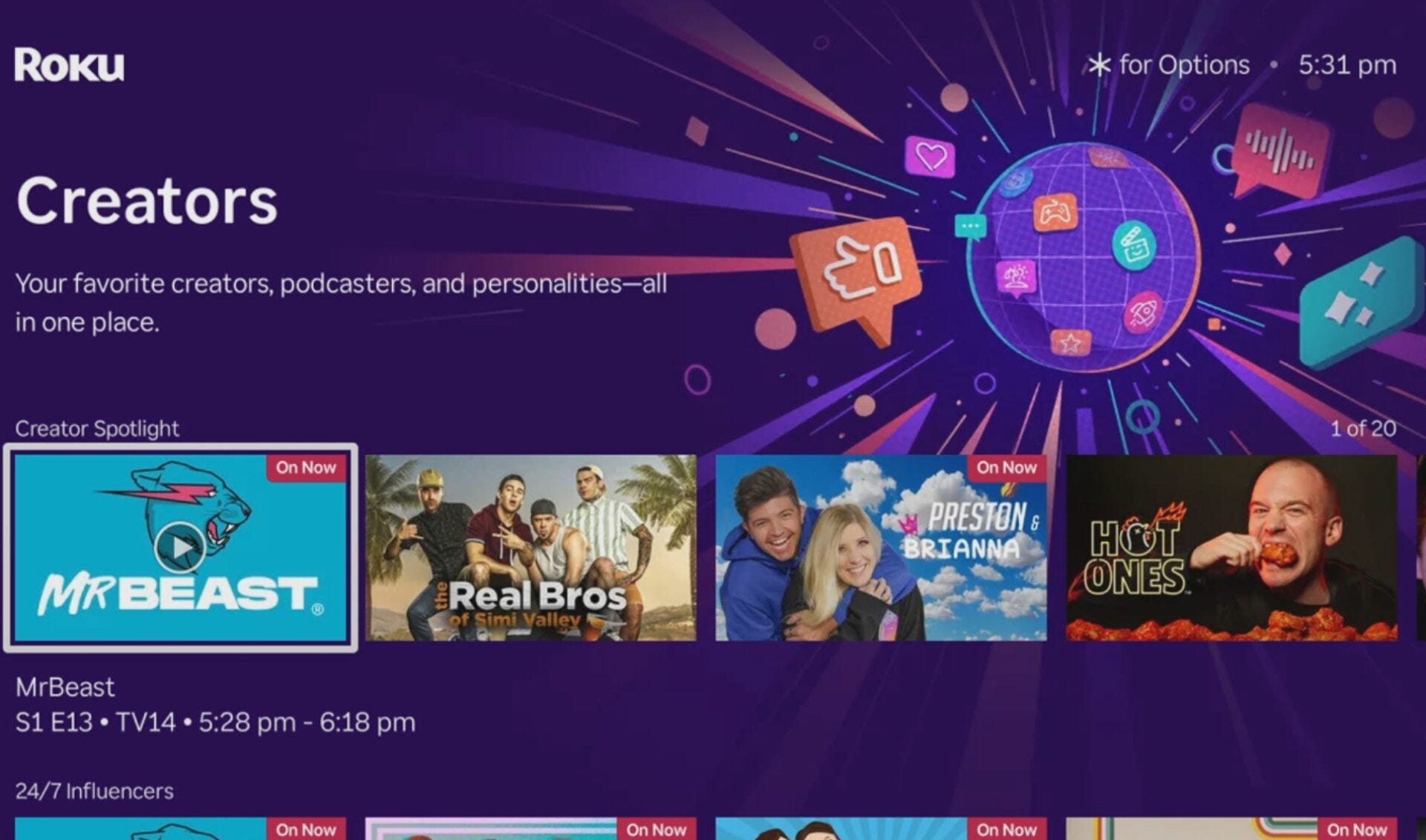
Roku, one of the leading providers of free, ad-supported TV (FAST), has announced a creator hub stocked with the biggest names from platforms like YouTube and Twitch. According to The Hollywood Reporter, which cited Roku Media Head of Content Lisa Holme, Roku will support its new hub by adding to its library of creator channels. Licensed content from tastemakers like iShowSpeed, Jesser, and the Stokes Twins will join the offerings that can already be found (for free) on the Roku Channel. Roku, like many media companies in the streaming space, is hungry for closer relationships with creator communities. That desire is driven by statistical trends; earlier this year, Tubi found that 67% of consumers believe creators to be more authentic than traditional TV programmes. (Tubefilter)
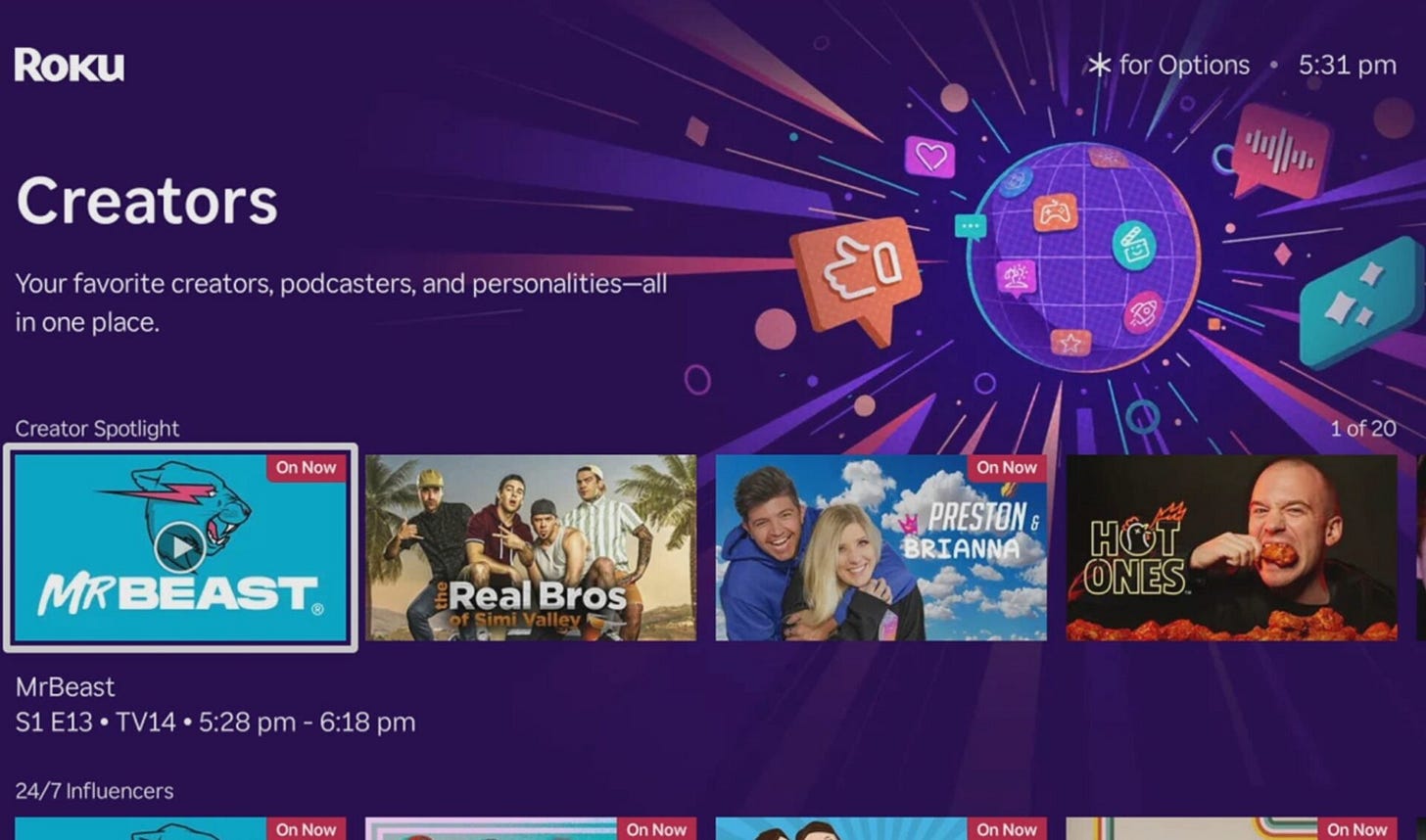
💡Roku’s new FAST creator hub signals that connected TV platforms are no longer just distributing creator content, they’re actually actively reorganising discovery around creators as primary programming pillars.
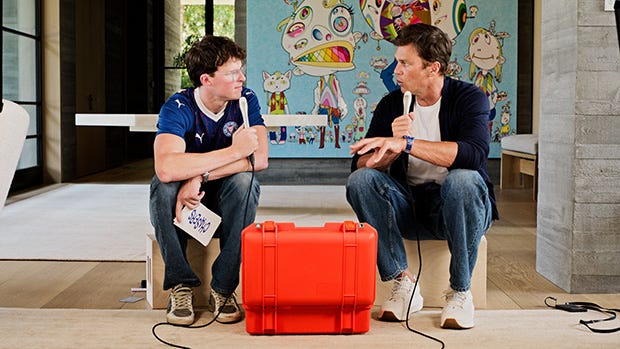
Tom Brady Launches Trading Card Trivia Format on YouTube and Social Media.
NFL star Tom Brady’s production company Shadow Lion launched a celebrity interview format on YouTube this week that will also be edited for Instagram and TikTok. Chasers sees celebrities try to identify four cards through four questions, then go down the rabbit hole of how they are all connected. Aiming to be a “viral-friendly format,” it will be hosted by Kevin Bonner and drop bi-weekly on YouTube, with 90-second episodes following on Instagram and TikTok. Brady appears as the first contestant in the premiere episode. Brady said: “I’ve spent my whole life collecting, and now I’m in the business with my company CardVault by Tom Brady growing so fast. My team at Shadow Lion launching Chasers is the perfect way to keep the momentum rolling. The hobby has so much to offer, and this show meets people where they are.” The company is currently in production on more than a dozen projects including shortform, longform, vodcasts and advertising campaigns. The company is also developing unscripted projects with Amazon and Peacock. (C21 Media)
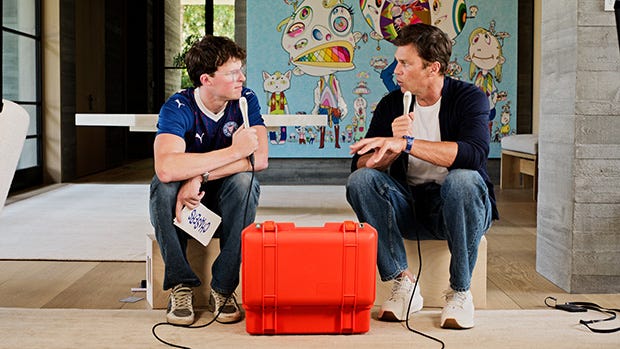
💡Celebrity-led media formats are increasingly being engineered as cross-platform IP from day one, with YouTube anchoring the full version and short-form cutdowns designed to circulate across social platforms to maximise viral reach.
HBO Max Adding Podcasts in Europe to Serve up “Immersive Fandom”.
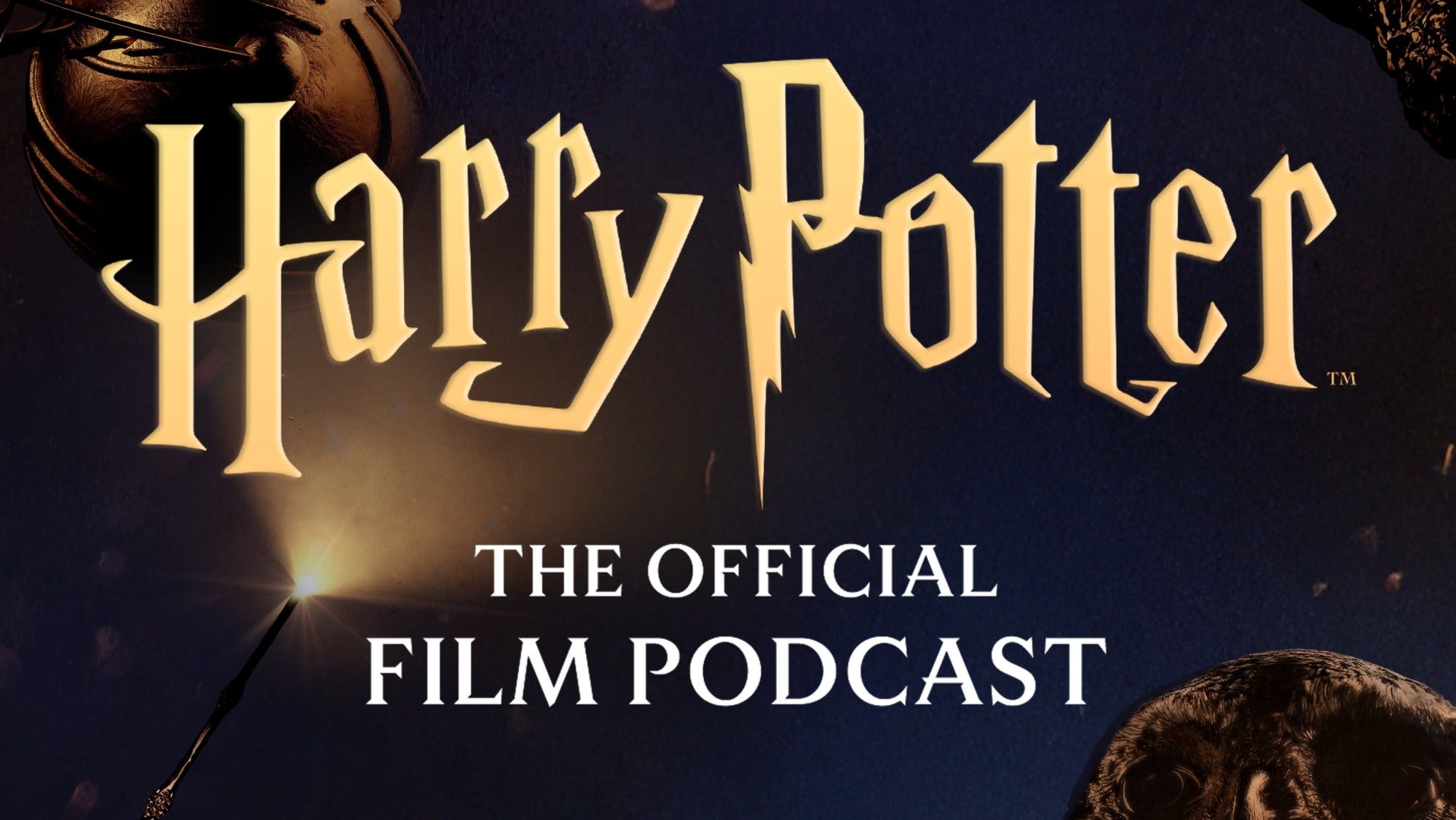
HBO Max is now providing its subscribers in a key region with podcasts, unveiling on Tuesday that it is adding podcasts in Europe, something it has done in the U.S. since 2019. The news comes at a time when Netflix has been rolling out podcasts, including from Spotify, and amid reports that Paramount+ is also planning a push into podcasts. Of course, Paramount Skydance has agreed to acquire HBO Max parent company Warner Bros. Discovery. So, all signs point to podcasts becoming a growing content offering across streaming giants around the world. The move is “reinforcing the platform’s position as the ultimate destination for fans to immerse themselves even deeper in the worlds of their favourite series and franchises,” including Harry Potter and the various Game of Thrones shows, it said. The goal is to offer “companion experiences, behind‑the‑scenes access and creator‑led conversations alongside its series and movies,” kicking off “a new era of immersive fandom.” The European podcast push launched on Tuesday with Harry Potter: The Official Film Podcast, hosted by film critic and broadcaster Rhianna Dhillon, which offers “a joyful and insightful rewatch of the eight Harry Potter movies, featuring special guests, high‑level film discussion and deep dives into the moments that defined a generation of movie‑goers,” HBO Max said. (THR)
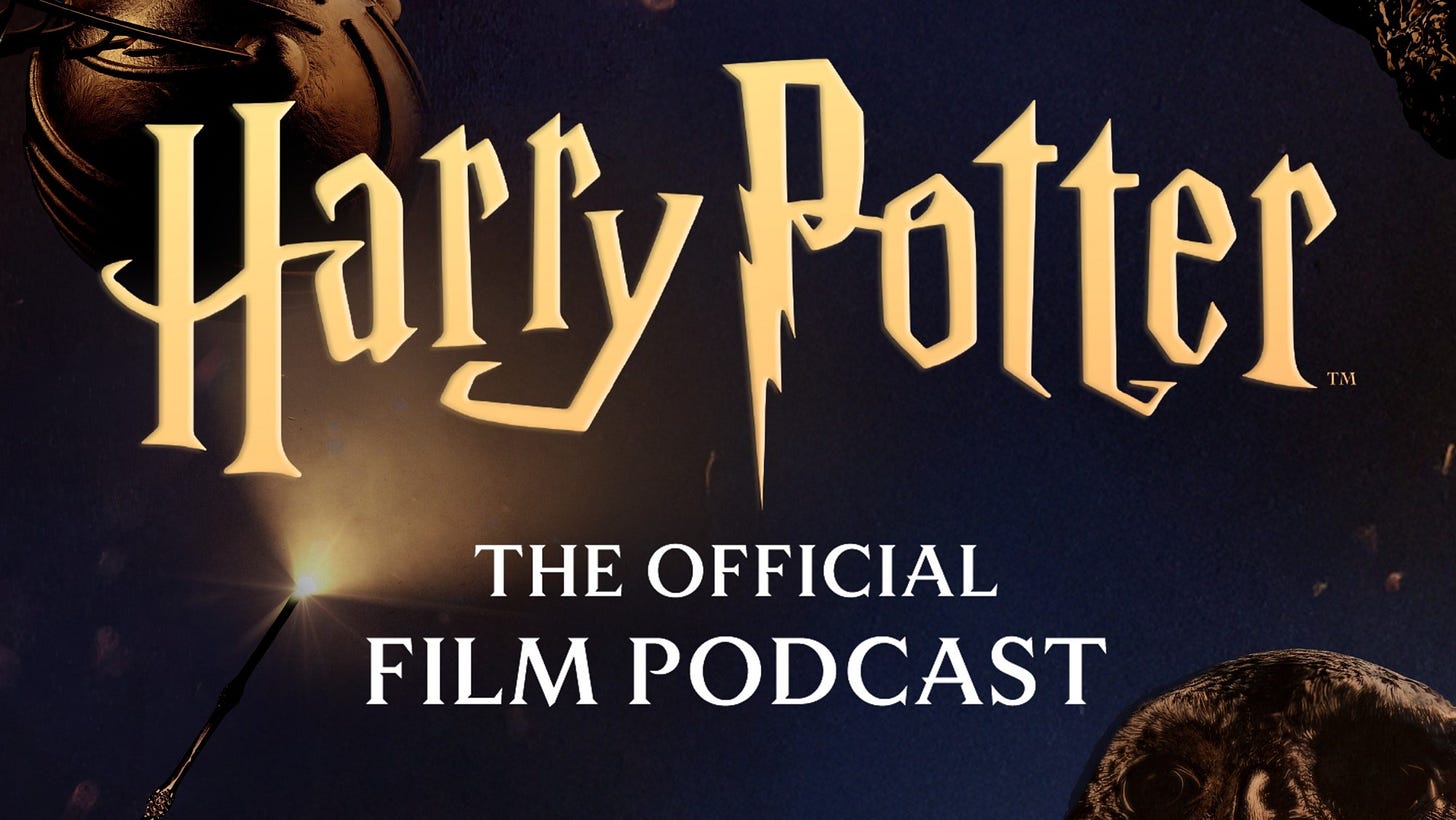
💡Streaming platforms continue to extend their IP beyond the screen by adding podcasts as companion formats - turning shows into ongoing fandom ecosystems that continue between episodes and releases.
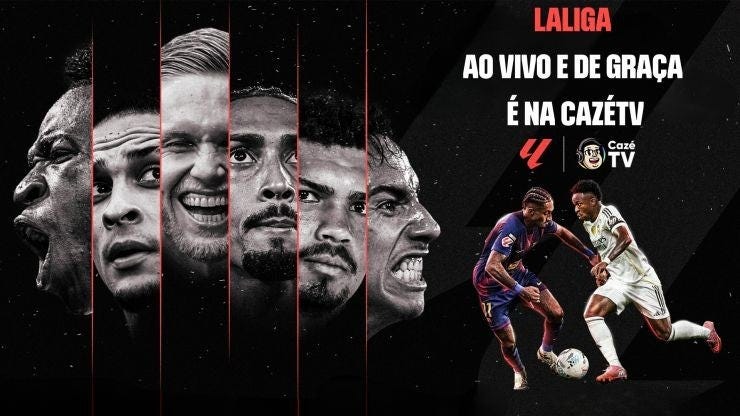
CazeTV Snaps Up LaLiga Rights in Brazil Until 2032.
CazeTV, the Brazilian sports streaming channel run by YouTuber Casemiro Miguel, has strengthened its grip on the country’s sports scene by securing a major rights agreement covering Spanish soccer’s top-tier LaLiga. The deal, which covers the 2026-27 to 2031-32 seasons, will see CazeTV’s YouTube channel become the league’s main rightsholder in Brazil, which will provide live coverage of all games for the duration of the six-year contract. As part of the agreement, CazeTV will also gain the right to distribute ancillary content and highlights across its other social media platforms. CazeTV replaces media giant Disney, whose five-year rights deal, running between the 2020-21 and 2025-26 seasons, is coming to an end. Over the course of its contract, it has aired matches via its international sports broadcaster, ESPN, and the Fox Sports network. (SportCal)
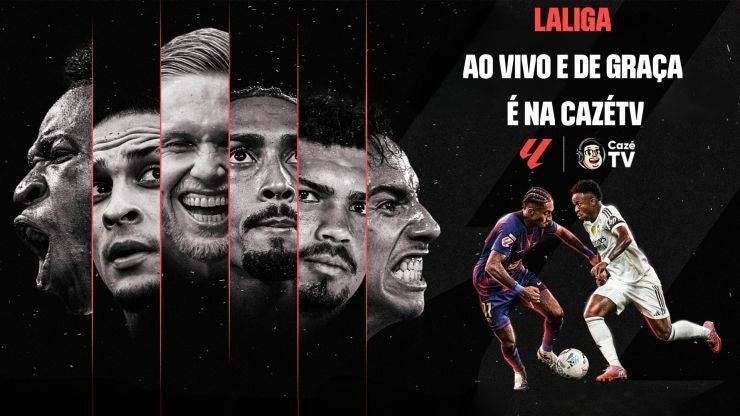
💡A creator-led broadcaster securing long-term LaLiga rights in Brazil shows that premium sports distribution is no longer reserved for legacy media companies, but is increasingly shifting toward creator-native platforms built on direct audience relationships.
🧠 Strategy Spotlight: The Era of Creator Infrastructure
As we have seen above, less than half of YouTube brand deals are one-offs. On TikTok, it’s more than 70%. That gap says less about creators - and more about how attention is being structured differently across platforms.
From Campaigns to Continuity
Across YouTube, TikTok, and Instagram, repeat creator partnerships are consistently outperforming one-off collaborations.
But the real signal is structural: YouTube has nearly 20% long-term ambassadorships in measured deals, while TikTok sits below 3%.
That gap reflects two different logics of attention.
TikTok is optimised for reach and velocity - fast bursts of visibility. YouTube is increasingly optimised for continuity - repeat presence, returning formats, and familiarity over time.
Brands are adapting accordingly. Not by abandoning one-offs entirely, but by layering in longer arcs of creator collaboration that behave more like media programming than advertising.
Creators, in this environment, are starting to function less like media placements and more like recurring infrastructure for attention.
TV Platforms Are Rebuilding Around Creators
That same logic is now visible in television distribution.
Roku has launched a FAST creator hub featuring digital-native personalities like iShowSpeed and Jesser.
This is not just about adding more content. It’s about changing how content is organised.
Instead of audiences browsing channels or genres first, they are increasingly being guided by creator identity. That is a discovery model imported directly from social platforms into connected TV.
In practice, it means creators are no longer outside the TV system. They are becoming one of the organising principles of it.
Creators Moving Into Distribution
The most concrete version of this shift appears in sports rights.
CazeTV, led by Casemiro Miguel, has secured LaLiga broadcast rights in Brazil through 2032, replacing legacy broadcaster Disney.
This is not a content collaboration. It is a redistribution of distribution power.
A creator-led company is now operating in the same category as traditional broadcasters for premium live sports. That signals a widening definition of who can own and operate media infrastructure at scale.
Media Expands Beyond the Screen
At the same time, streaming platforms are extending their ecosystems beyond video itself.
HBO Max is rolling out podcasts in Europe, following similar moves by Netflix.
The intent is consistent: keep audiences engaged inside the same story worlds even when they are not actively watching.
Podcasts, behind-the-scenes formats, and companion content are becoming extensions of IP rather than separate media categories.
What This Adds Up To
Taken individually, none of these moves are disruptive.
Brands are optimising campaign structure. TV platforms are improving discovery. Streaming services are expanding formats. Creator companies are scaling into new rights.
But together, they point in the same direction.
Creators are increasingly acting as the connective layer across fragmented media systems - the recurring presence that travels cleanly between platforms, formats, and screens.
Not because the industry redesigned itself around them. But because they were the only element that already moved naturally across it.
🎬 Inside Branded Entertainment: Branded Entertainment Is Shifting From Placement to Problem-Solving
Branded Entertainment is often still discussed in terms of placement - where a product sits, how visible a logo is, how seamlessly a brand can be woven into a story. But that framing is starting to feel increasingly outdated.
In my latest Behind Branded Entertainment feature on MIPBlog, Adam Puchalsky, President of the Brand Studio at Blink49 Studios, argues that the real opportunity sits elsewhere: not in adjacency, but in intent.
“Entertainment can solve business challenges in ways traditional advertising often can’t,” he explains - pointing to a growing shift where brands are moving from visibility goals to outcome-driven storytelling.
Instead of asking how a brand appears inside content, the better question may be what the content is actually trying to change - perception, behaviour, or understanding. That shift reframes Branded Entertainment from a creative execution problem into a strategic one, and it changes what “success” looks like entirely.
Read the full interview on MIPBlog.
☀️ Weekend Vibes
If something sparked a thought, or you think a friend would enjoy this, hit reply or forward it along. Sandra x
Please feel free to reach out to me if you would like to discuss this further or if you have any questions: sandra@tvfuturist.com or connect with me on LinkedIn.
Thanks for sharing our Brand Deals Report :)