

Weekend Waves 27/26
🔄 The Rise of the Creator-to-AI Flywheel

Happy Friday, Wavemakers!
If you know anything about me, you know I love teen romance novels. I’ve read and watched pretty much everything from To All the Boys I’ve Loved Before, over Bridgerton, and The Summer I Turned Pretty to Every Summer (Year) After.
Which makes this week interesting - because one of the top stories is literally about romance novels becoming a streaming strategy. But the bigger pattern isn’t just about romance. It’s about how fandom-driven content is becoming the default input for entertainment decisions. Or in other words: what used to be personal taste is increasingly becoming industry infrastructure.
Here are the top 3 stories making waves this week:
1️⃣ Romance Novels Power Streaming Adaptations
2️⃣ YouTube Creator Content in AI Answers
3️⃣ Cannes Lions Creator Economy Boom
Let’s dive in!
🌊 News that Made Waves
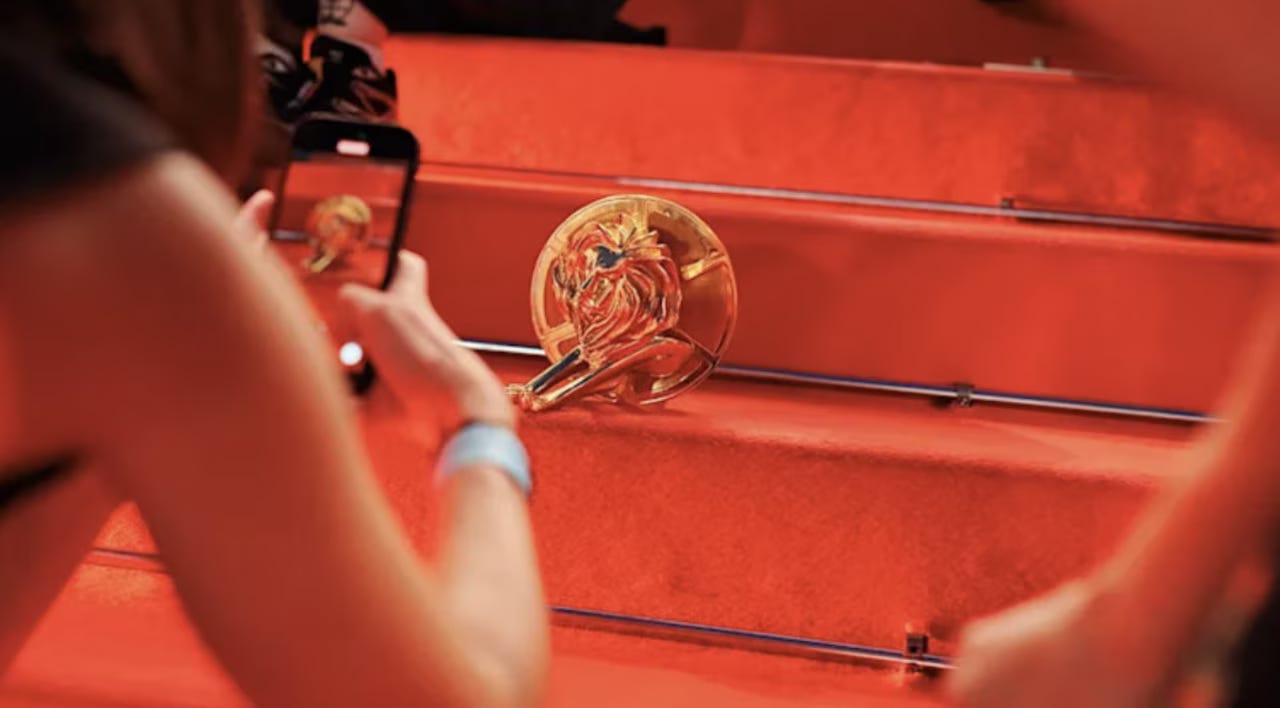
Cannes Lions Dominated By $1.35tn Creator Boom as Budgets Shift From Traditional Media.
The creator economy was the defining theme at this year’s Cannes Lions, reflecting a major shift in how brands are allocating their marketing budgets. More than 500 creators attended the festival, which also introduced dedicated creator programming and awards, highlighting how creators have moved from the sidelines to the centre of the advertising industry. The creator economy is projected to reach $1.35 trillion by 2033, with brands continuing to shift spend away from traditional media and towards creator partnerships.
Despite the momentum, marketers are also becoming more selective. New research from Kantar found that while investment in creator content is set to increase, only 6% of creator campaigns deliver both strong engagement and meaningful brand impact. The conversation at Cannes also reflected a broader industry shift: AI is no longer seen as the headline story, but as a tool for improving workflows, while creators and community-building have become the focus for future growth. (The Australian)
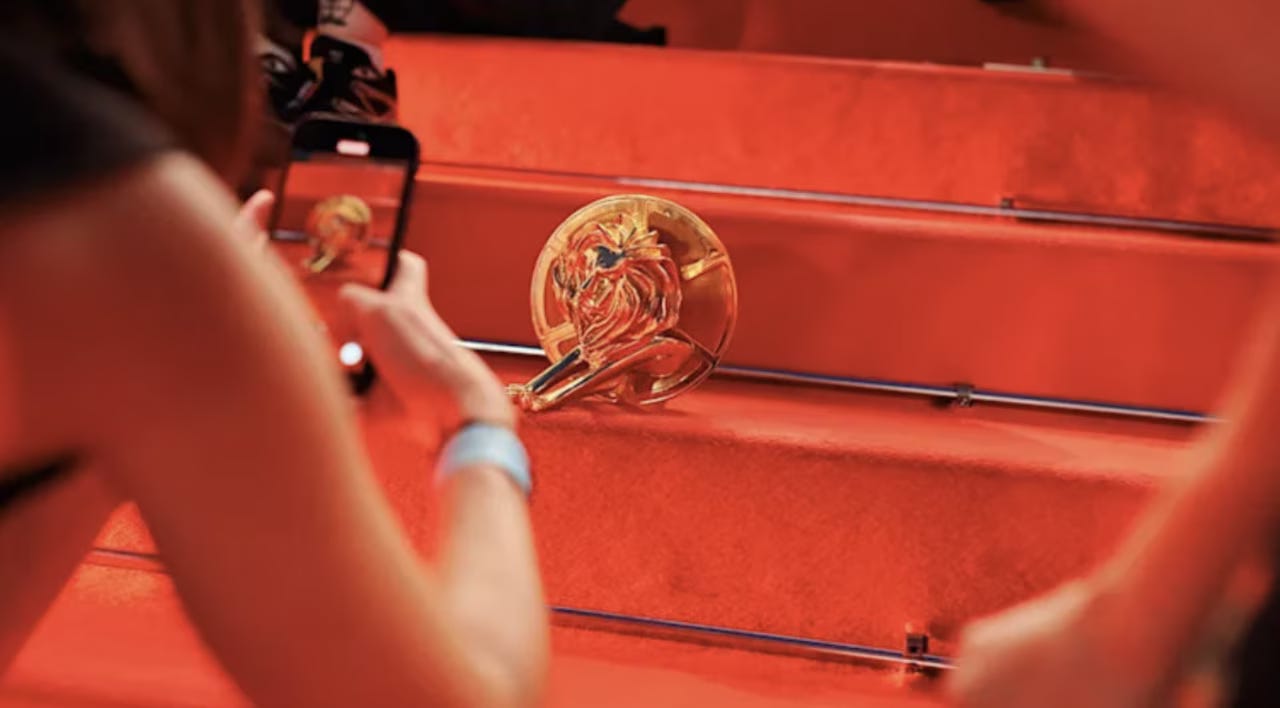
💡The creator economy is shifting from expansion to selection - as budgets scale, impact is concentrating in a small number of creator campaigns that actually drive both cultural attention and business results.
More Romance Novels Than Ever Being Adapted For Streaming, Research Finds.
New research from Ampere Analysis suggests that streaming platforms are increasingly prioritising scripted romance over reality dating formats. In the first half of 2026, 83% of new romance commissions were scripted series, while reality dating shows accounted for less than 20% - a significant shift from 2022, when the two formats were commissioned at similar levels.
A key driver behind the trend is the rise of BookTok and the growing demand for book-to-screen adaptations. Around 40% of newly commissioned scripted romance titles are based on existing novels, with series such as Bridgerton, Off Campus and Heated Rivalry helping fuel audience interest. Streamers are increasingly investing in stories that already have passionate fan communities, particularly among younger viewers aged 18–24, for whom romance remains one of the most popular genres.
(Deadline)
💡Romance is becoming less of a genre streamers invent and more of a fandom ecosystem they plug into - with pre-existing reader communities now acting as the real greenlight for what gets adapted.
YouTube Creator Content Now Appears in 25% of AI Chatbot Responses.
YouTube creator content appears in over 25% of prompts answered by AI assistants. In high-intent categories like consumer electronics or financial services, that figure climbs to nearly one in two responses, according to new research from Jellyfish shared exclusively with ADWEEK. In the CPG category specifically - including responses to household cleaning product prompts - Jellyfish found that over one million unique YouTube videos are cited daily by AI assistants in the U.S. The digital marketing agency, part of The Brandtech Group, analysed 27 million responses across seven AI assistants including Claude, ChatGPT, Gemini, DeepSeek, Meta AI, and Perplexity – and found that independent, niche creators outrank brand-owned content and celebrity influencers in AI-generated answers. (ADWEEK)
💡AI is shifting trust formation away from brands and search engines toward creator content, meaning influence is increasingly earned at the niche creator level long before a purchase decision is even made.
New Study Finds Gen Z Is Open To Ads On Streaming Services, Because Math.
A new study from Hub Entertainment Research suggests that viewers are becoming increasingly comfortable with advertising on streaming services as subscription prices continue to rise. Seven in ten respondents said they would rather watch ads than pay more for streaming, marking the lowest level of ad intolerance the research has recorded in five years. Gen Z stands out as the most ad-tolerant generation. Compared with older viewers, they are significantly more willing to accept higher ad loads in exchange for lower subscription prices and are also more open to AI-powered ad targeting if it means seeing fewer, more relevant ads. The findings highlight how affordability is increasingly shaping streaming habits, with cost becoming a bigger priority than an uninterrupted viewing experience. (Cinemablend)
💡For Gen Z, the streaming experience is shifting from “ad-free as a premium” to “ads as a trade-off,” where pricing pressure is redefining what a good viewing experience actually means.
Starbucks Pilots TikTok Programme for Boosting Employee-Generated Content.
Starbucks will pilot a custom Creator Network in TikTok’s Content Suite that it helped create, in an effort to expand employee-driven marketing, according to information shared with Marketing Dive. The news was announced at Cannes Lions last week during a joint session with Starbucks and TikTok. The Creator Network builds off of Starbucks’ Green Apron Creators programme, which encourages employees to post social media content around the brand. The pilot will allow Starbucks to share briefs and compensate select creators in the programme through ad revenue sharing. The programme is set to launch in the summer, with expansion based on lessons learned for the pilot. (Marketing Dive)
💡Brand storytelling is moving from external influencers to internal communities, as companies like Starbucks turn employees into scalable creators who can produce more authentic and always-on content than traditional campaigns.
🧠 Strategy Spotlight: The Rise of the Creator-to-AI Flywheel
Most of my Substack referrals come from where you’d expect: other Substacks.
But every once in a while, I notice something different in my analytics.
A subscriber came from Claude. Or ChatGPT.
It’s still a tiny number, but it feels like a glimpse of what’s coming.
For years, creators optimised for search engines. Then for algorithms. Now there’s something emerging that sits one layer higher: becoming recommendable by AI systems themselves.
And unlike search, AI doesn’t just rank content. It cites, summarises, and reinterprets it in response to human questions.
That shift quietly changes the rules of distribution.
From Audience Growth to System Visibility
The traditional creator mindset has always been about reach: how do I get in front of more people? SEO, social platforms, newsletters - all different doors into the same idea: human attention.
But the new layer is different. AI assistants are increasingly becoming intermediaries between content and audience. This week’s data points hint at that shift: YouTube creator content now appears in a significant share of AI-generated answers, and in some categories, creators outperform brands entirely.
That means visibility is no longer just about being discovered by people scrolling feeds. It’s about being surfaced by systems that decide what is “relevant enough” to include in a generated answer.
In other words: distribution is becoming interpretive.
Creators as Infrastructure, Not Just Content
At Cannes Lions this year, one theme dominated everything: the creator economy is no longer a marketing tactic, but it is becoming infrastructure.
Budgets are shifting away from traditional media not just because creators are cheaper or trendier, but because they are structurally more aligned with how attention now flows: fragmented, social, and community-driven. The projection of a $1.35 trillion creator economy is less about hype and more about consolidation.
Creators are becoming the default production layer for culture.
What’s important here is not just the scale, but the direction of dependence. Brands don’t just use creators anymore, they rely on them to generate the signals that platforms, algorithms, and now AI systems interpret as relevance.
Creators are no longer on the outside of media systems. They are embedded in them.
Fandom Is the New IP Strategy
The streaming industry is arriving at the same conclusion from a different angle. New research shows a sharp rise in romance adaptations driven by BookTok communities and pre-existing reader fandoms. Series like Bridgerton or Off Campus are not just content choices, they are de-risked IP bets built on existing emotional ecosystems.
The logic is simple: if attention is fragmented, then the safest bet is not originality alone, but pre-validated obsession.
Fandom has become a form of infrastructure too. It signals what will travel, what will be shared, and what will sustain engagement beyond release week.
And increasingly, that fandom is shaped by creators long before studios enter the picture.
The Monetisation Shift: From Frictionless to Acceptable Friction
Even the streaming business model is adjusting to this reality. A growing number of viewers - especially Gen Z - now prefer cheaper subscriptions with ads over ad-free but more expensive tiers. The idea of a “clean” viewing experience is slowly being replaced by a more pragmatic one: acceptable friction in exchange for access. It’s a subtle but important shift.
Monetisation is no longer about eliminating interruption, but about designing interruption that feels justified.
In that sense, advertising is not disappearing from streaming, it is being re-legitimised.
The Emerging Flywheel
When you put these signals together, a pattern starts to form:
Creators generate content 👉 Platforms distribute it 👉 AI systems interpret it 👉 Audiences discover it 👉 And the loop feeds back into what gets made next.
This is the emerging flywheel: a system where creators are no longer just participants in culture, but inputs into the infrastructure that defines cultural visibility itself.
Which brings me back to that small but strange analytics detail - a referral from ChatGPT, another from Claude.
It still feels marginal. But it may be an early signal of a much larger shift: where the question is no longer just “how do people find my work?” but “how do systems learn to surface it?”
⏪ ICYMI: Branded Entertainment Is Becoming a Systems Game
Speaking of systems, Branded Entertainment is no longer a niche marketing experiment - it is becoming a core operating system for how content is financed, distributed, and discovered.
In my essay on Wednesday, I explored how the lines between brands, creators, and traditional entertainment are dissolving, as brands move from “placing messages inside content” to actively shaping and funding entertainment itself. What used to be advertising is increasingly becoming storytelling.
This shift is being accelerated by structural changes across the media landscape: streaming platforms searching for new revenue models, creators building IP ecosystems beyond single platforms, and audiences increasingly consuming content that feels native to both culture and commerce.
Instead of interrupting entertainment, brands are now entering earlier in the process - as co-developers, co-financiers, and sometimes even as the originators of IP.
At the centre of this transformation is a simple but powerful idea: Branded Entertainment is no longer about visibility, but about ownership of attention environments.
As entertainment becomes more fragmented and fandom-driven, brands are positioning themselves inside the stories, communities, and formats that actually travel. The result is a media ecosystem where entertainment and marketing are not separate layers anymore - they are converging into one.
👉 Read the full essay here:

☀️ Weekend Vibes
If something sparked a thought, or you think a friend would enjoy this, hit reply or forward it along. Sandra x
Please feel free to reach out to me if you would like to discuss this further or if you have any questions: sandra@tvfuturist.com or connect with me on LinkedIn.