

Weekend Waves 30/26
🎁 The Packaging Wars Have Begun

Happy Friday, Wavemakers!
I’ve been celebrating my birthday all week - thanks for all the lovely messages! And a special shout-out to my friend Omri for the very accurate birthday video 😏
Meanwhile, the entertainment industry certainly didn't slow down. From YouTube creators becoming more like TV networks to retailers producing their own entertainment, this week's headlines show just how quickly the lines between media, technology and brands are blurring.
Here are the top 3 stories making waves this week:
1️⃣ YouTube Turns Creator Playlists Into TV Shows
2️⃣ Netflix Reveals AI Is Already Powering Hundreds of Titles
3️⃣ Albertsons Turns Advertising Into Entertainment
Let’s dive in!
🌊 News that Made Waves
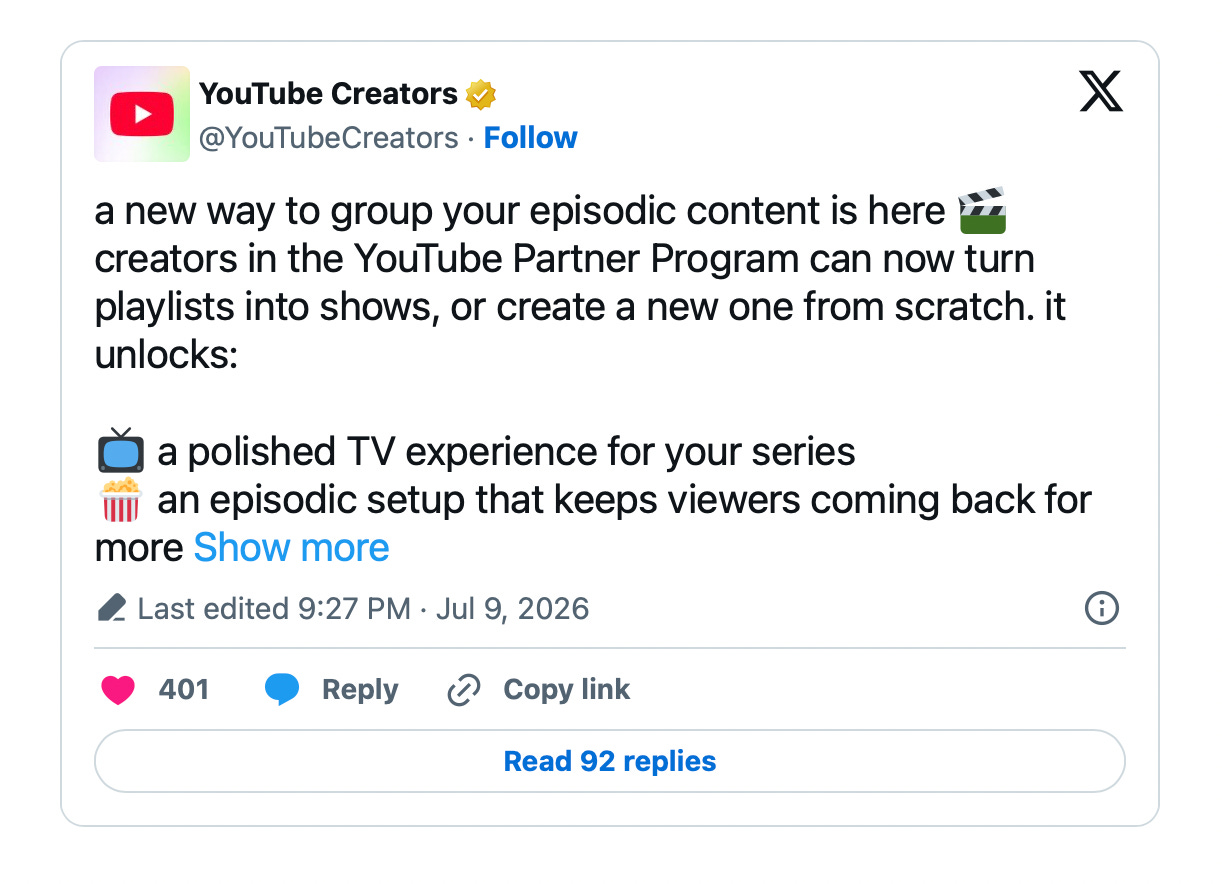
YouTube Creators Can Now Turn Playlists into Shows.
YouTube is rolling out a new feature that allows creators in the YouTube Partner Program to turn existing playlists into TV-style shows, organising videos into seasons and episodes. Creators can also build new shows from scratch in YouTube Studio. According to YouTube, shows should have a clear theme, consistent branding, recurring hosts where possible, and high production quality, while episodes can be either chronological or standalone. The new format is designed to improve content discovery across the platform. YouTube says eligible shows may appear in search results, Recommended Shows, and Continue Watching, giving creators additional opportunities to reach viewers. By presenting creator content in a familiar TV structure, the feature also reflects YouTube’s growing focus on long-form viewing experiences, particularly on connected TVs. (Mashable)
💡The creator economy is borrowing more from traditional television, as creators move from individual uploads toward recognisable IP that can be programmed, packaged and built into lasting franchises.
Netflix Says Around 300 Titles Used Generative AI.
Netflix revealed that around 300 titles on its platform have used generative AI in 2026, primarily during post-production. According to the company, AI has been used for tasks such as enhancing crowd scenes, historical battle sequences, and visual world-building. Netflix cited productions including The American Experiment, Glory, and Brasil 70: A Saga do Trias examples, noting that AI-enabled workflows helped complete some scenes faster and at lower cost than traditional methods. The disclosure came as part of Netflix’s second-quarter earnings report, where the company also outlined broader AI investments across its business. In addition to production workflows, Netflix is expanding AI-powered features within its app, including search and content discovery. The company said it continues to invest in new content formats, including short-form video and video podcasts, alongside its advertising business and live programming. (The Verge)
💡As AI lowers the barriers to producing and adapting content, the competitive advantage will increasingly move toward the companies that know what stories to make and how to position them.
Netflix Stock Falls as Earnings Forecast Disappoints, Company Says It Will Give Fewer Engagement Updates.
Netflix reported $12.56 billion in second-quarter revenue, up 13% year over year, while earnings per share came in at $0.80, slightly ahead of analyst expectations. However, revenue narrowly missed forecasts, and the company issued a weaker-than-expected outlook for the third quarter, leading to a decline in its share price after the results were released. The company said viewing reached 97 billion hours in the first half of 2026, a 2% increase from a year earlier. Netflix also announced that it will publish its “What We Watched” engagement report annually instead of twice a year, shifting its focus toward financial performance metrics. Executives highlighted continued investment in advertising, live programming, and new formats such as short-form video and video podcasts as part of the company’s broader content strategy. (CNBC)
💡Netflix’s shift away from frequent engagement reporting signals a broader industry change: attention metrics alone are becoming less important than proving how content translates into sustainable business value.
Albertsons’ New ‘Micro Sitcom’ Is a Big Deal For Retail Media.
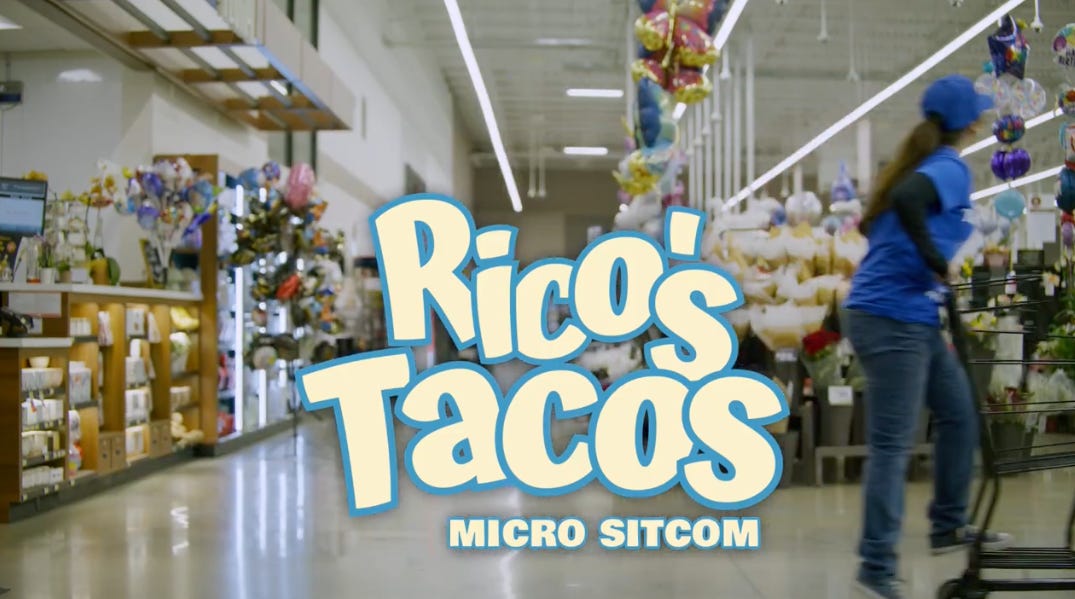
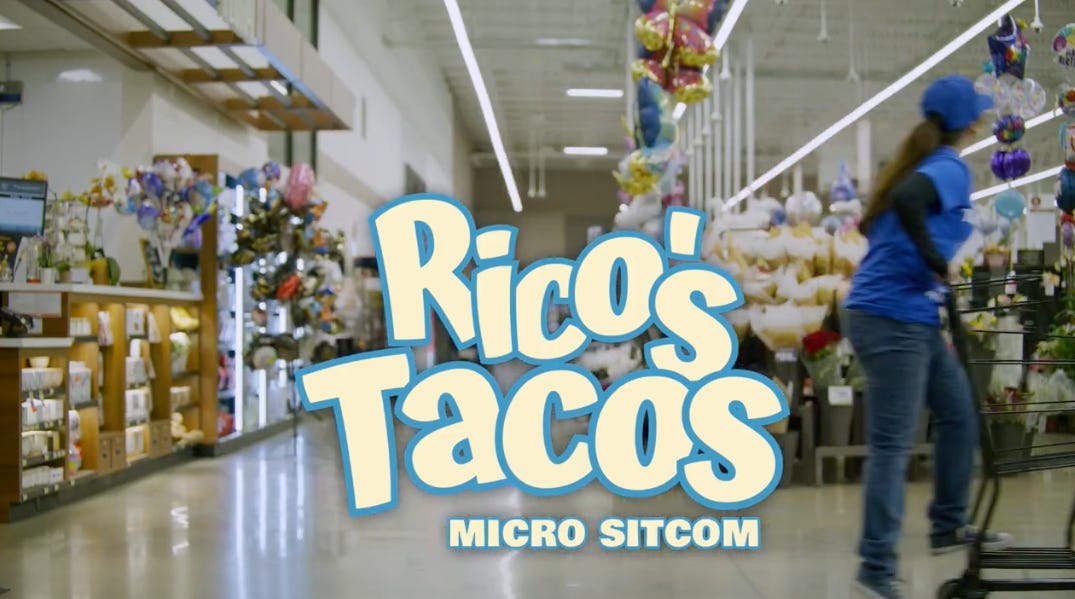
Albertsons has launched “Rico’s Tacos,” a short-form scripted sitcom created with Procter & Gamble and production company Minivela. The series was developed using shopper insights from Albertsons’ retail media network and is designed to run across the retailer’s in-store screens, e-commerce platform, YouTube channel, and social media. The episodes follow a family running a taco business, with P&G brands integrated into the story rather than presented through traditional advertising. The project reflects how retail media networks are expanding beyond digital ads into original entertainment. By combining first-party shopper data with branded storytelling, retailers are exploring new ways to engage consumers across physical and digital touch-points while giving advertisers additional content formats within retail-owned media channels. (Modern Retail)
💡Albertsons shows that the next evolution of advertising is not better placement, but better storytelling - transforming commercial messages into entertainment people choose to engage with.
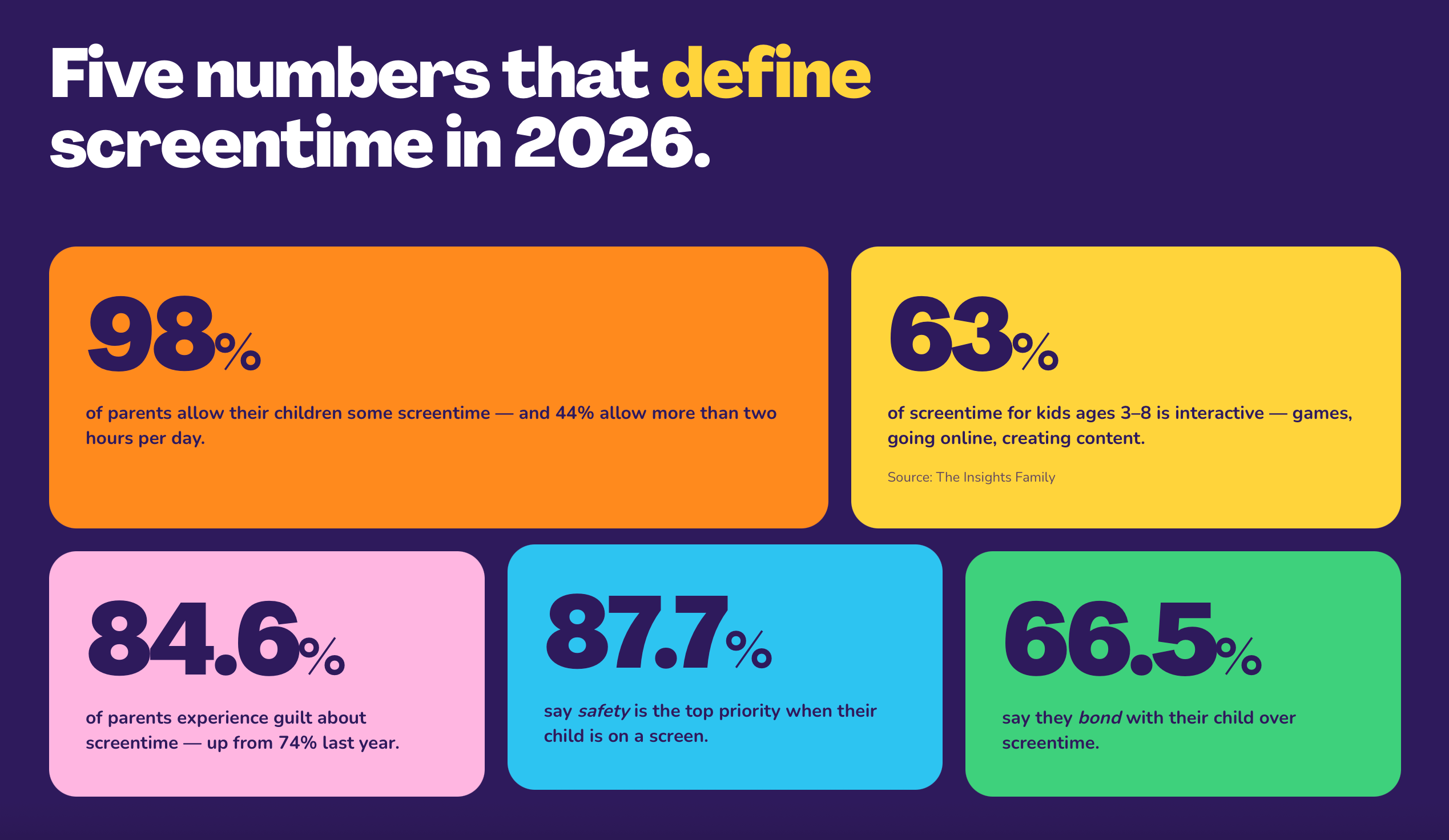
Two Thirds of Gen Alpha’s Screentime is Interactive.
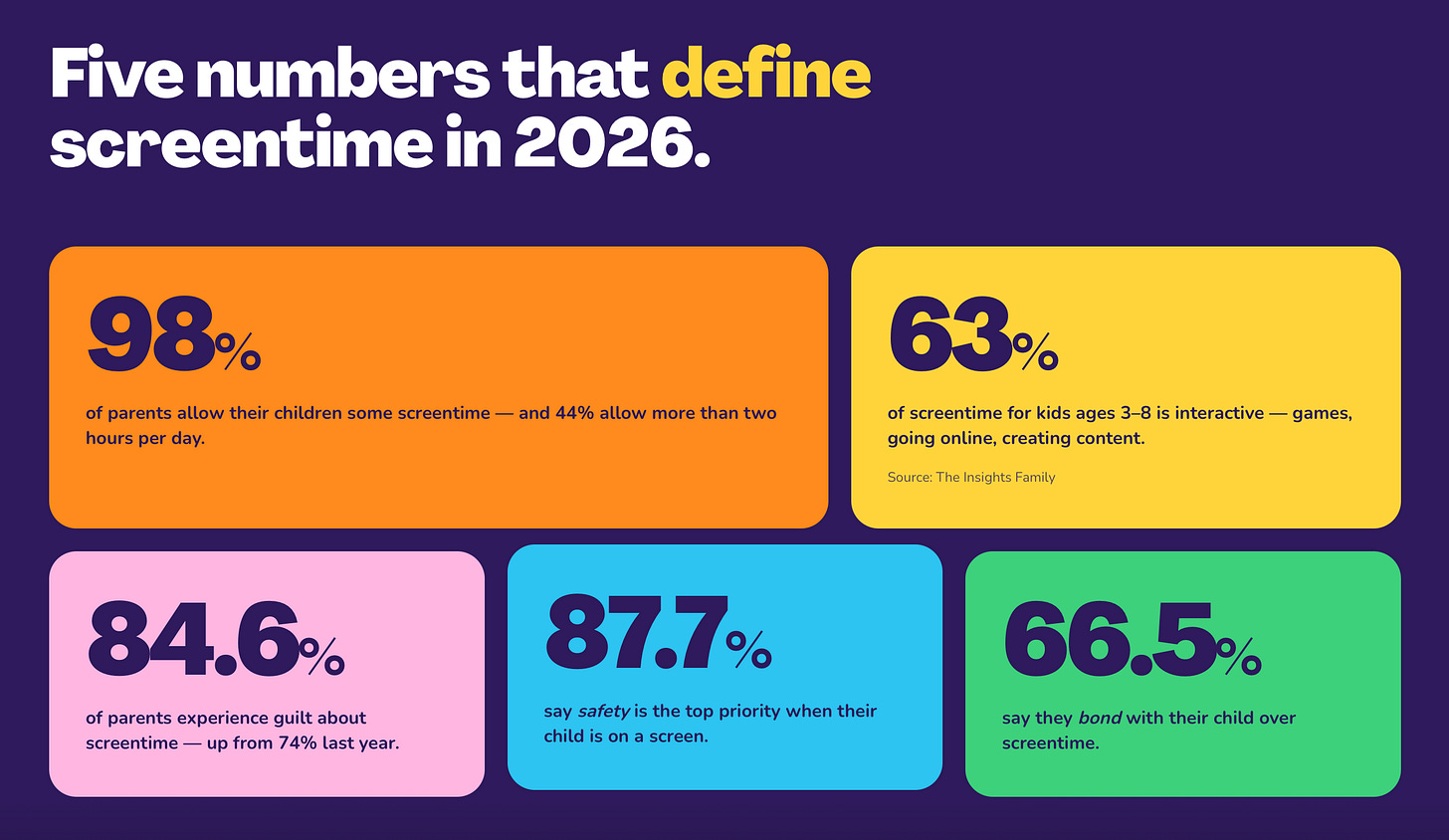
According to Lingokids, 63% of 3-8-year-olds spend their screentime on interactive activities, not just passive viewing. Kids in this age bracket spend an average of 70 minutes a day on screens playing games, going online, and even creating content - matching the rate of kids twice their age. This is driving the IPs they connect with: following TV shows and movies, games are the top third way kids discover new characters and become acquainted with fandom. And while 85% of parents with children in this age group say they feel guilty about screentime, 73% agree that interactive screentime is better than passive viewing for children’s development. (Lingokids)
💡For the next generation of audiences, fandom may begin with interaction rather than consumption, meaning the strongest IPs will be the ones that invite participation from the start.
🧠 Strategy Spotlight: The Packaging Wars Have Begun
Great content can still disappear in a crowded market. Increasingly, success depends not only on the story itself, but on the way it is framed, organised and delivered to audiences.
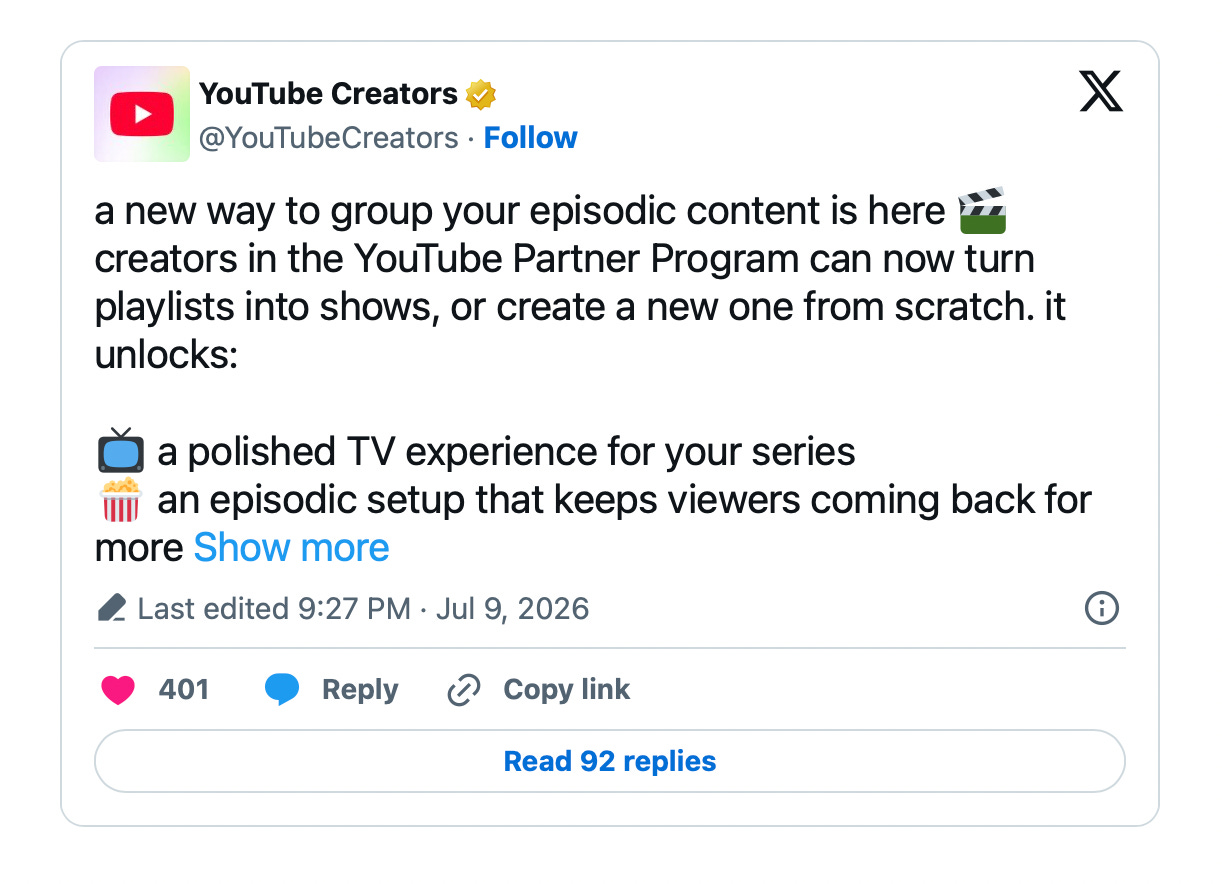
This week’s headlines all point to the growing importance of packaging as a strategic advantage. YouTube is turning creator playlists into TV-style shows with seasons and episodes. Albertsons is transforming branded content into a scripted micro-sitcom. Netflix is experimenting with new ways to structure its content offering through AI-powered discovery, live programming and new formats.
The Same Content, Different Wrapper
Look at YouTube’s latest announcement. The platform isn’t asking creators to produce more videos. Instead, it’s allowing them to transform existing playlists into TV-style shows, complete with seasons and episodes.
The content hasn’t changed, but the way it is presented has.
Albertsons is taking a similar approach from a completely different direction. Rather than running traditional product placements, it has launched a scripted micro-sitcom that integrates consumer brands into the storyline.
The products are the same. The packaging is different.
Even Netflix’s latest earnings point in this direction. Alongside its investments in AI, live programming and short-form video, the company is changing how it communicates success by reducing the frequency of its engagement reports.
Rather than emphasising viewing hours every six months, Netflix is placing greater emphasis on its overall business performance.
Different companies. Different industries. The same underlying shift.
Packaging Shapes Perception
Packaging has always influenced how people experience products. The entertainment industry is no exception:
A playlist feels different from a television series.
A product placement feels different from a sitcom.
A recommendation from a creator feels different from an advertisement.
The underlying content may be identical, but the way it is framed influences how audiences perceive its value and whether they choose to engage with it in the first place.
As audiences face more choice than ever before, those framing decisions become increasingly important.
Beyond Marketing
Packaging isn’t just about promotion. It’s becoming part of the product itself.
Companies are increasingly experimenting with ways to organise, present and contextualise content so that it feels easier to navigate and more compelling to consume. That can mean borrowing familiar structures, combining entertainment with commerce, or redesigning the viewing experience without fundamentally changing the underlying content.
In many cases, innovation isn’t happening inside the story. It’s happening around it.
The Next Competitive Advantage
As AI makes content creation faster and cheaper, the volume of available content will only continue to grow. That makes packaging more valuable, not less.
So, the companies that stand out may be the ones that present it in ways that feel more intuitive, more memorable and more relevant to changing audience behaviours.
This week’s headlines suggest that the next battle in entertainment isn’t only about what gets made. It’s about how it’s packaged. Because in an era of content abundance, the wrapper increasingly shapes the experience. 🎁
🎬 Behind Branded Entertainment: From URL to IRL - What TV Producers Can Learn From LOST iN’s Experiential Media Strategy
“You can get scale digitally. But to really gain loyalty and following, I think you need to be in person and be with your fans.”
As entertainment companies search for new ways to build deeper audience relationships, travel and lifestyle publisher LOST iN is betting on the power of real-world experiences. Founded by former Jukin Media CEO Jonathan Skogmo, the brand has expanded from premium guidebooks into a broader ecosystem of social video, creator collaborations, memberships, live events and branded partnerships.
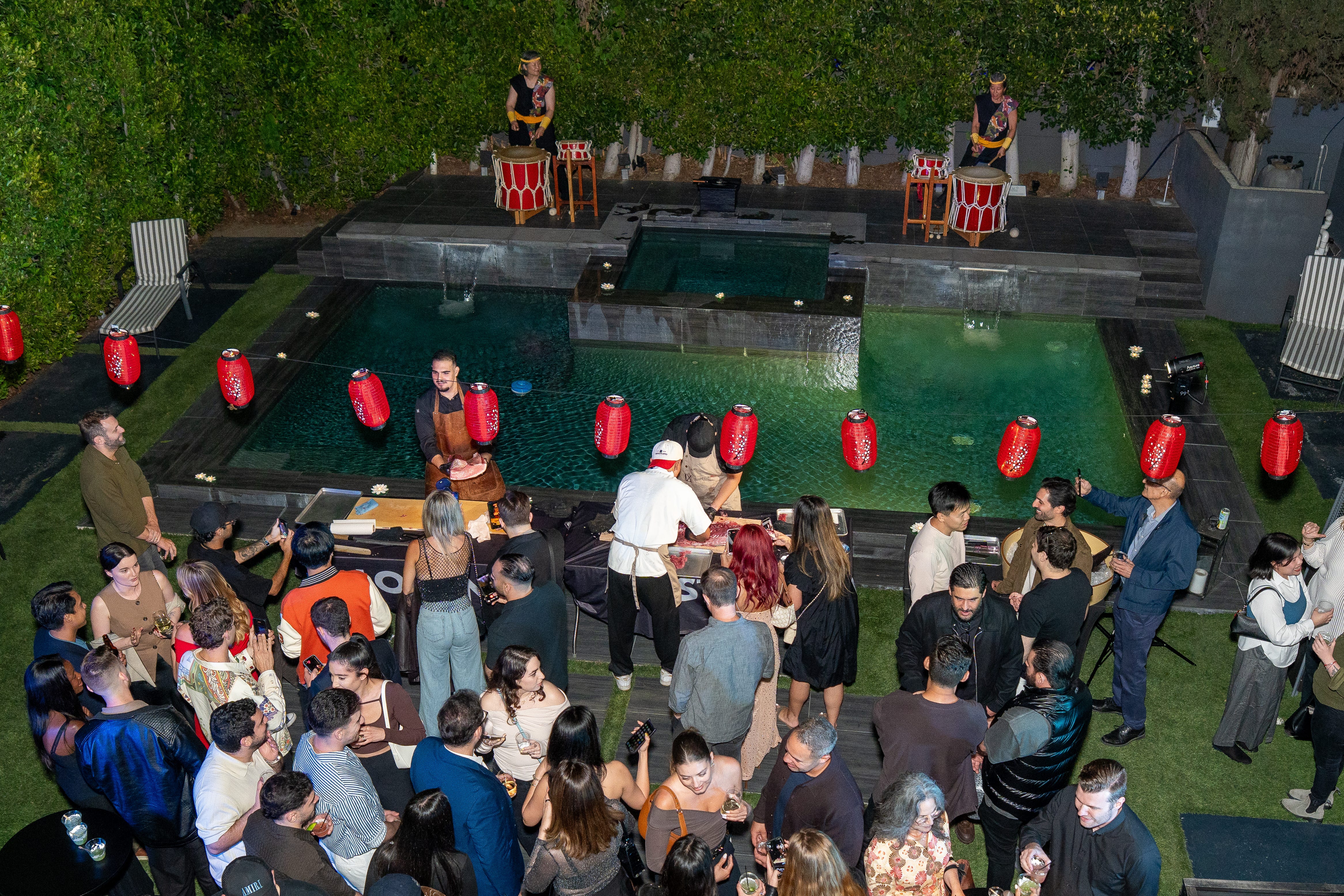
In my latest MIPBlog article, I explore how LOST iN is moving beyond traditional media models - and what TV producers can learn from its approach to experiential media, community building and creating IP that audiences don’t just watch, but want to be part of.
👉 Read the full article on MIPBlog.
⏪ ICYMI: Amazon Has Cracked the BookTok Formula
Amazon’s biggest romance hits on Prime Video - from Maxton Hall to The Summer I Turned Pretty and Off Campus - reveal a bigger shift in entertainment strategy.
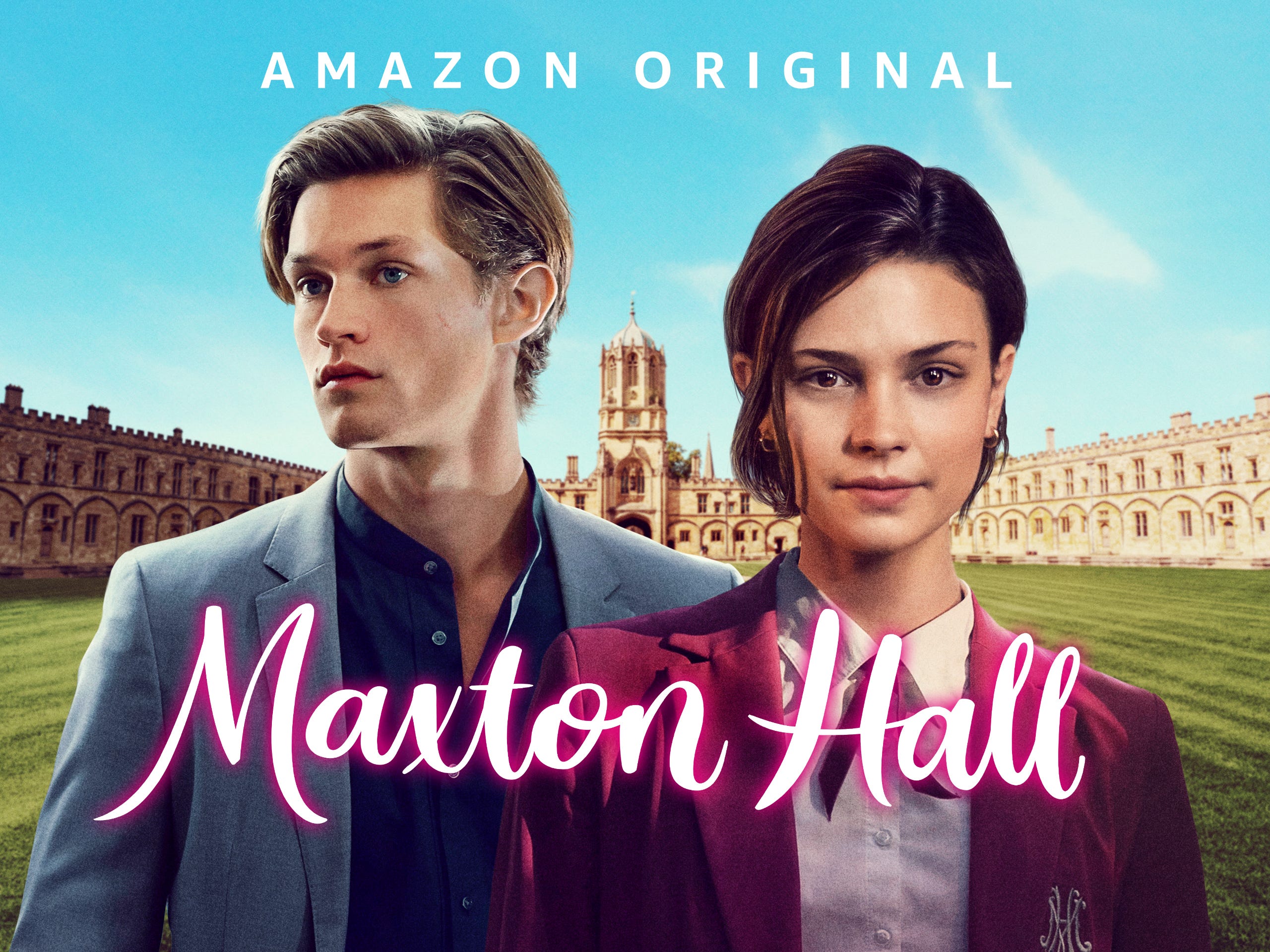
Many of these stories didn’t start in Hollywood writers’ rooms.
They first built passionate communities on BookTok, where readers discovered, recommended and obsessed over them long before they reached the screen.
With millions of readers already proving their interest, BookTok has become more than a social trend - it has become a powerful audience discovery engine for entertainment companies.
Amazon is using these existing fandoms to connect books, television, creators, merchandise and fan experiences into a broader entertainment ecosystem.
In this week’s TrendCore, I explore why Amazon’s approach represents a shift from a content strategy to a fandom strategy - and how the future of entertainment may belong to companies that know how to turn communities into long-term franchises.
🔒 Read the full TrendCore analysis to discover Amazon’s Community Commerce Flywheel and why fandom could become entertainment’s biggest asset.
☀️ Weekend Vibes
If something sparked a thought, or you think a friend would enjoy this, hit reply or forward it along. Sandra x
Please feel free to reach out to me if you would like to discuss this further or if you have any questions: sandra@tvfuturist.com or connect with me on LinkedIn.