

Weekend Waves 10/26
🔴 The Return of Live Culture

Happy Friday, Wavemakers!
Before we dive in, a few quick updates from me. It seems like 2026 is shaping up to be all about Branded Entertainment for me. After realising last year that many producers reach out to brand managers on LinkedIn - but often get little to no response - I decided to put together a Branded Entertainment Playbook to explain how to pitch effectively to brands and agencies. But not only that:
Branded Entertainment Playbook
I’m still refining it, but it’s turning into a practical guide for anyone looking to bridge the gap between content and brand partnerships. If you’ve struggled to get replies from brands or want to understand what really resonates, this might be worth a look once it’s ready.
Branded Entertainment Conference in Cologne
Together with HMR International, I’m organising a Branded Entertainment conference in Cologne on April 29. The day will dive into practical cases showing how brands, production companies, agencies, and creators can navigate new power structures, leverage IP strategically, and deliver successful Branded Entertainment in a rapidly evolving market. Tickets will probably go on sale next week.
Branded Entertainment MIPBlog Series
This week, I interviewed the lovely Carlotta Rossi Spencer, Global Head of Branded Entertainment Business Development at Banijay, about Branded Entertainment that travels across markets. I learned so much about how shows should be designed to appeal internationally while staying true to brand objectives. I’ll let you know once the article is published.
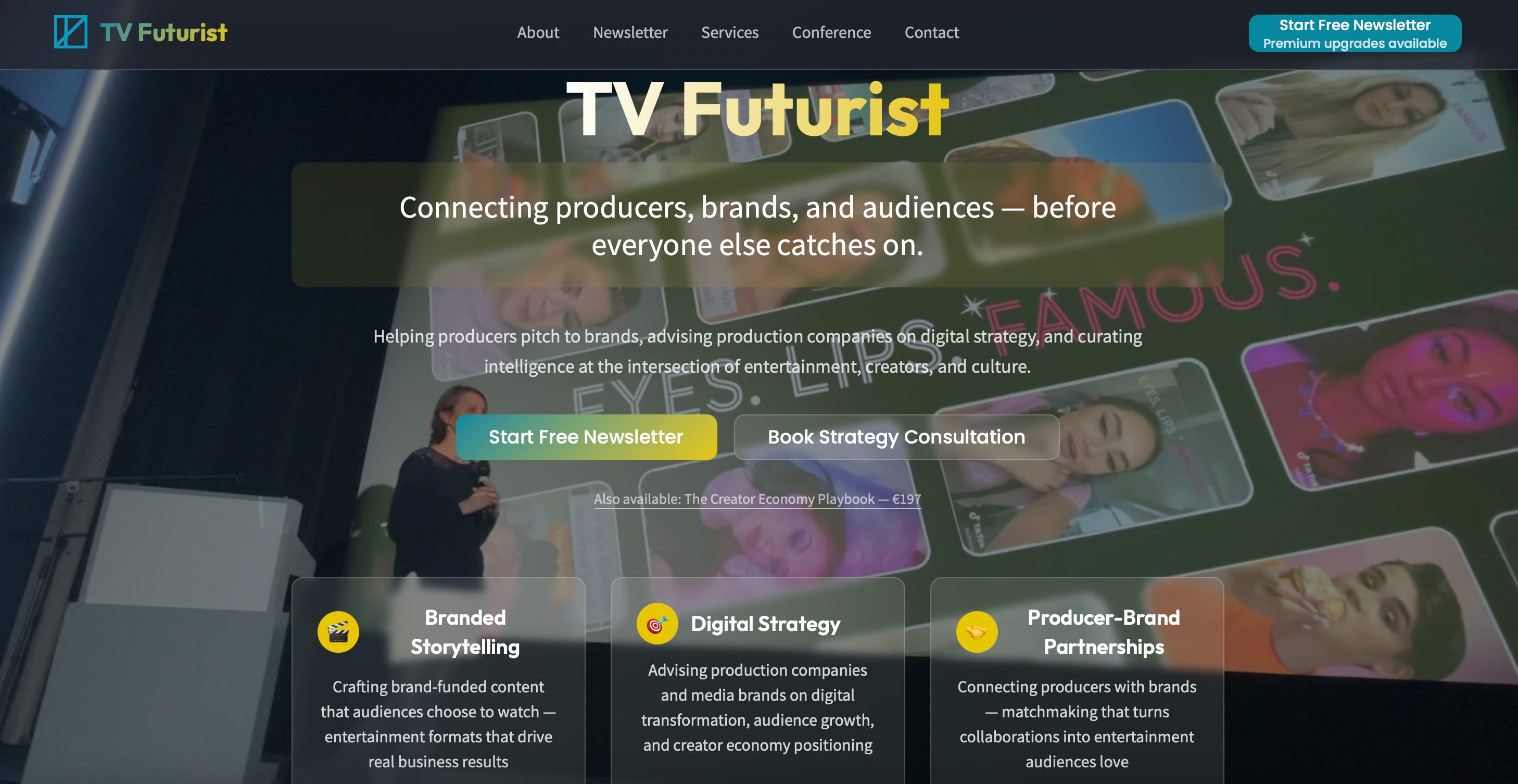
To reflect my renewed focus on Branded Entertainment, I updated my website this week. Check it out!
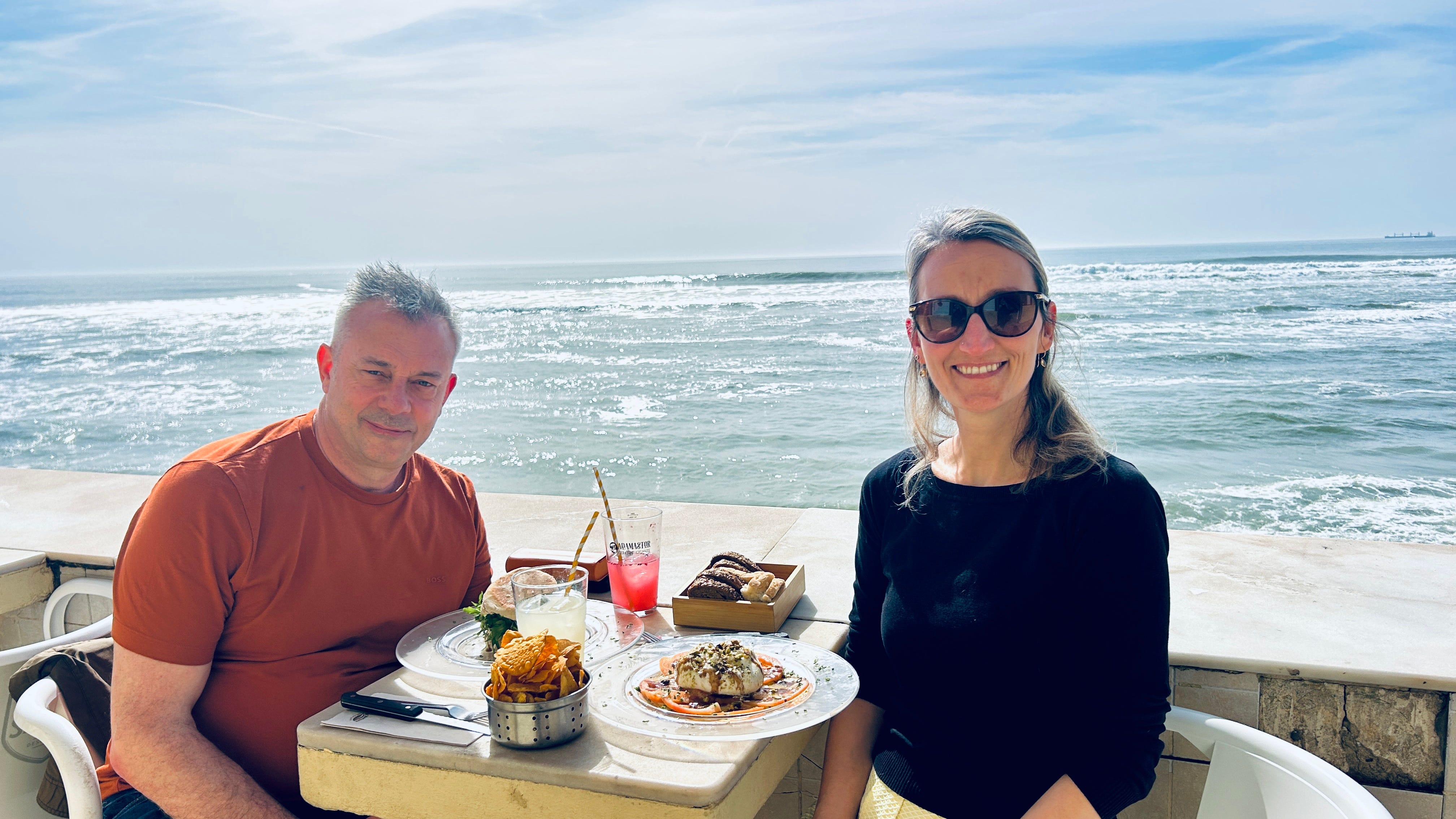
Also, if you’re coming to Lisbon next month for Stream TV Europe or Content Europe, drop me a message - we could grab a coffee! I’ll be attending both events, but you’re also welcome to join me for lunch or a coffee at the beach. Last month, I had TV director Tony Gregory join me for a casual seaside catch-up - it’s a vibe!
Ok, here are the top stories making waves this week:
1️⃣ Kids Take Over the Family Budget in New Branded Series
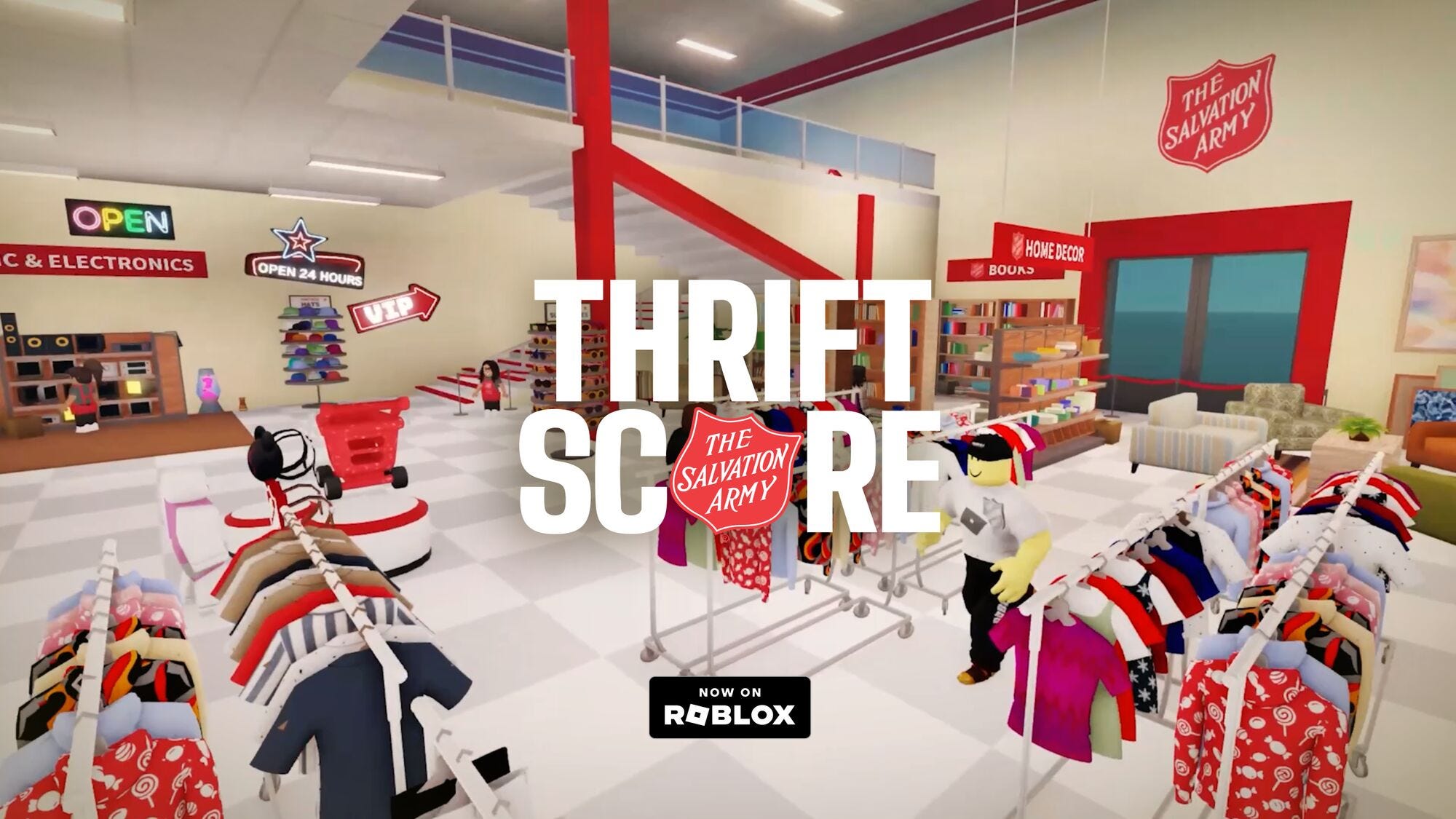
2️⃣ The Salvation Army’s Digital Thrift Store on Roblox
3️⃣ The Return of Live Culture
Let’s dive in!
🌊 News that Made Waves
The Salvation Army Launches the World’s First Digital Thrift Store on Roblox.
The Salvation Army is introducing its thrift brand to a new generation with the launch of “Thrift Score,” the world’s first digital thrift store on Roblox. Designed to engage Gen Z and Gen Alpha where they already shop, play, and express themselves, the experience launched on Feb. 19 and invites players to explore thrift-inspired digital finds for their in-game avatars. “Thrift Score” reimagines a Salvation Army Thrift Store as a fully explorable and shoppable digital environment, introducing the brand and its thrift offering to an audience that might have never visited a thrift store in the real world. Stocked with creator and brand collaborations, player donations, and digital replicas of real Salvation Army items, players can browse racks to uncover rare and limited edition items at accessible price points, ensuring broad participation across Roblox’s player base. (PR Newswire)
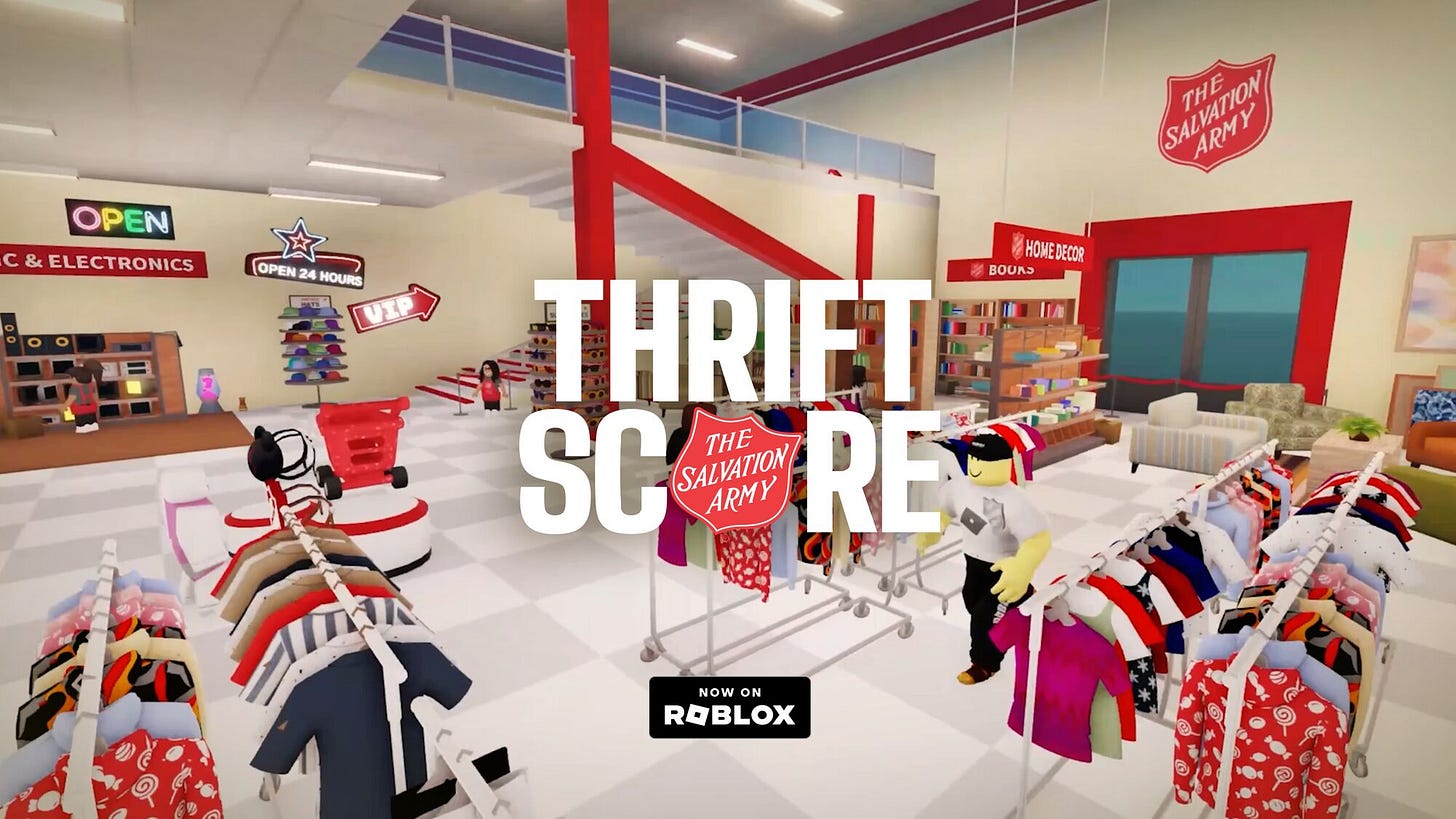
💡With its digital thrift store on Roblox, The Salvation Army shows how even legacy nonprofits are meeting now Gen Z and Gen Alpha inside gaming platforms where identity, discovery and shopping increasingly overlap.
Children Take Financial Control in Family Budget Switch Up – the New Branded Entertainment Series Between Channel 4 and HSBC UK.
Channel 4 announced it has partnered with HSBC UK for new branded entertainment series Family Budget Switch Up. Broadcaster Mollie King alongside financial expert Peter Komolafe will present the new series for Channel 4 and join the families on their journey of financial awakenings.
In this three-part series, children take over the financial responsibility of running a household for the first time! Steered by their parents via bespoke challenges, the children will have to navigate scenarios from opening a bank account and paying monthly bills to dealing with an unpredictable crisis that has financial repercussions. How will they get on? Will the parents be surprised by the amount saved, or will they come back to see lots of new delivery boxes? On hand throughout are Mollie King and Peter Komolafe as they unpack the family’s spending habits and learn more about why the parents were keen to hand over control. (Channel 4)
💡The project signals how financial brands are using unscripted formats to build trust, turning everyday money decisions into relatable, story-driven content.
YouTube Dominates German Kids’ Entertainment.
A new study on 2-12-year-olds and their parents reveals Netflix and YouTube are German kids’ most-watched platforms, with YouTube in particular getting more and more popular with age. While 51% of 2-5-year-olds watch it (which is in itself notable), it increases to 80% for 10-12-year-olds. YouTube is also where German kids are seeing their favourite influencers, with more than half of 10-12-year-olds watching influencers there. But, even while nearly half of these households watch YouTube on the TV, kids and parents alike are dual screening, with kids’ attention split onto mobile games or a YouTube video of their own. (Advanced Television)
💡While Netflix still dominates kids’ viewing time, YouTube is where the next generation builds relationships with creators - shifting cultural influence away from traditional kids’ programming.
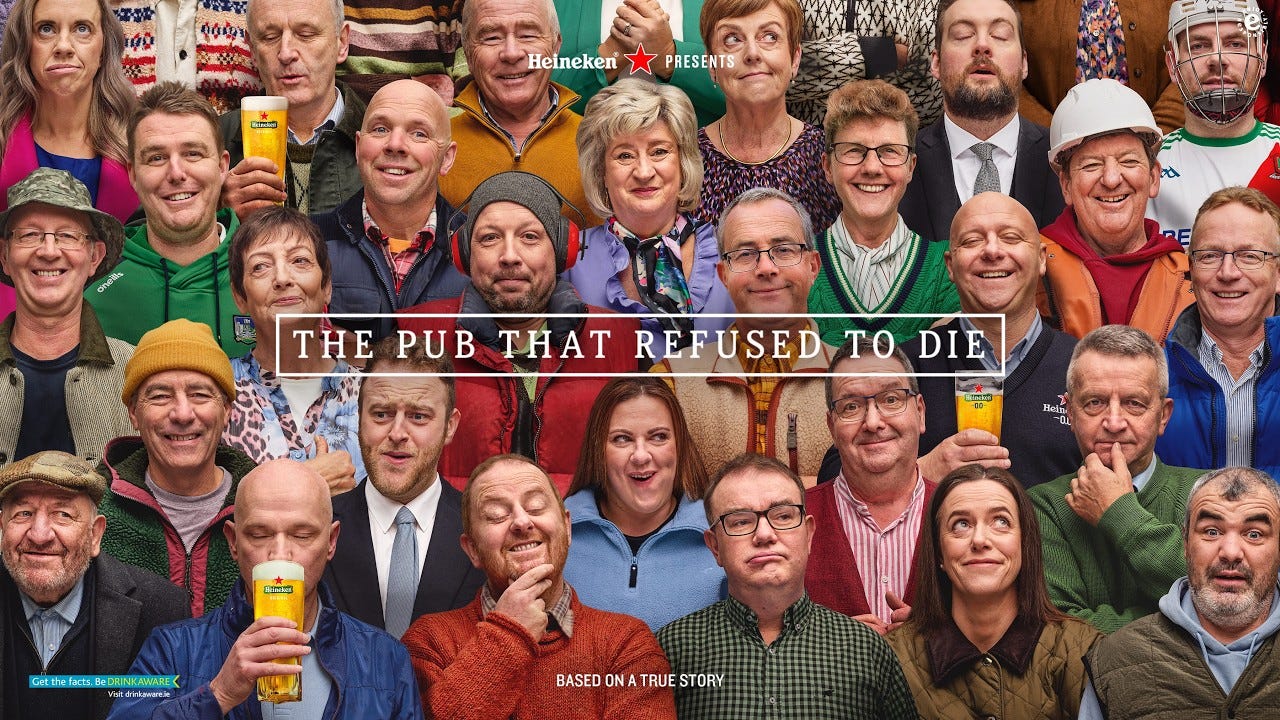
Heineken Looks to Preserve Irish Pub Culture with Documentary.
Heineken is expanding its “For the Love of Pubs” platform with a new 10-minute documentary and Ireland-based campaign focused on the importance of pub culture in the country. At the heart of the effort is “The Pub That Refused To Die,” a short documentary about a local effort to save a closed pub in Kilteely, County Limerick. Heineken will take the documentary, directed by Gar O’Rourke, on tour across the country, showing it throughout March. Heineken’s involvement with the film aligns with the brand’s overall positioning, which heavily emphasises social connection and living in the moment. Additionally, the documentary comes as brands look to own more intellectual property, such as films and TV shows. (Marketing Dive)
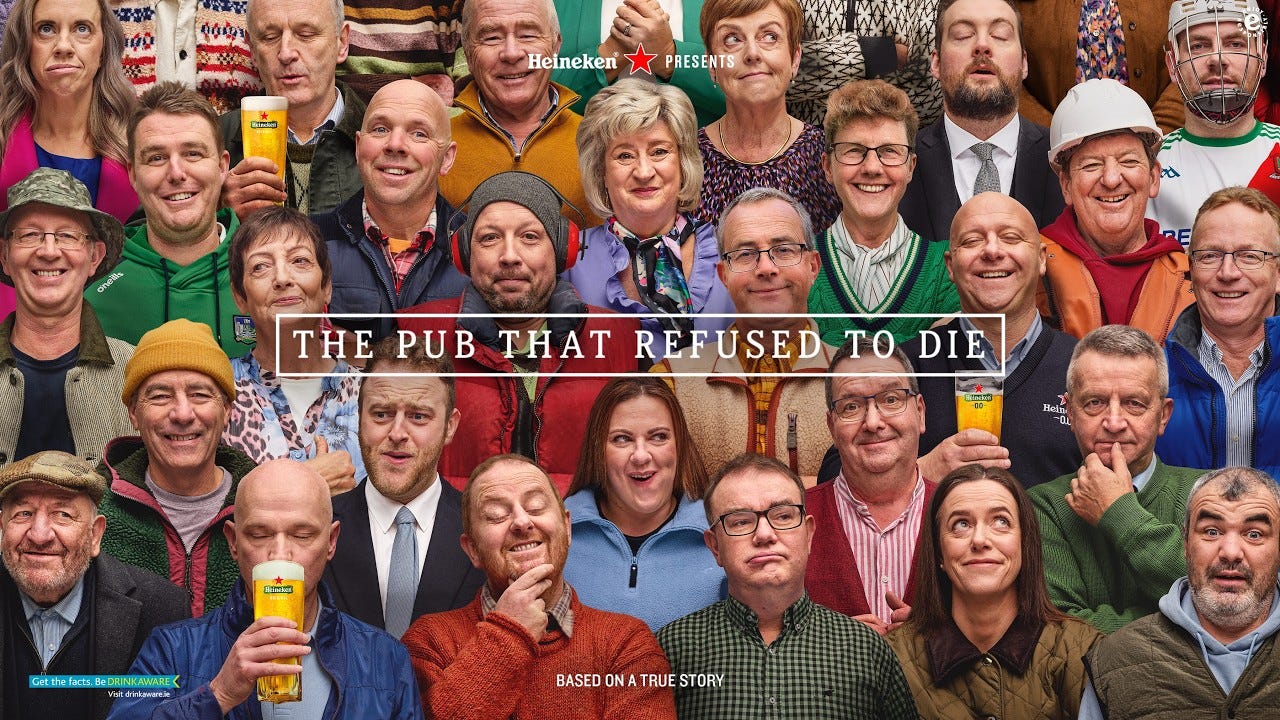
💡By spotlighting a pub that “refused to die,” Heineken shows how brands can hijack local culture to stay culturally alive.
Live-Streamers Killed the Vertical-Video Star.
While TikTok initially contrasted platforms like Instagram by feeling more relatable, algorithm filtering and AI content is eating into that reputation. Instead, live-streamers now have the upper hand in being clearly human - their content is real-time (often at the same time every single day), naturally has mishaps, and responds immediately to engagement. In a way, it’s functioning the way live TV used to, making it easy to follow and become invested in. But even clips of live-streams have a creator benefit on video platforms, as one stream can be cut into dozens of posts without having to record each individually. Plus, live-stream is becoming another profit opportunity for podcasting; the shows being turned into live events also have tickets to live-streams, meaning any viewer can tune in and share the experience. (ADWEEK)
💡Live-streaming is reclaiming relatability for creators, turning real-time, unscripted content into the new anchor for engagement, while clips and events multiply reach and revenue across platforms.
🧠 Strategy Spotlight: The Return of Live Culture
For more than a decade, digital entertainment has moved toward shorter, faster, and more polished content. Platforms optimised for algorithmic feeds rewarded creators who could produce endless streams of perfectly edited vertical videos. But lately, the pendulum seems to be swinging back.
Across the internet, live content is quietly reclaiming cultural relevance. From live-streaming creators to interactive shows and real-time events, audiences are rediscovering the appeal of content that happens now - unedited, unpredictable, and shared with others in the moment.
Ironically, the future of digital entertainment is starting to look a lot like one of the oldest formats in media: live television.
Why Live Feels Different
One of the reasons live content is gaining momentum again is simple: it feels unmistakably human!
In a feed full of polished clips and increasingly AI-generated videos, live-streams stand out because they can’t be fully controlled. There are awkward pauses, unexpected interruptions, technical glitches, and spontaneous interactions with viewers. Those imperfections create a sense of authenticity that edited content often lacks.
Platforms like TikTok and YouTube have seen a growing number of creators build their audiences through regular live-stream sessions. High-energy creators like IShowSpeed exemplify this trend, drawing millions of viewers in real time and turning each stream into a cultural event. Instead of publishing one perfectly crafted video per day, they simply go live - often at the same time every day - creating a routine that audiences can return to.
In many ways, this recreates something the internet had largely abandoned: appointment viewing.
The Livestream Flywheel
Another reason live-streaming is gaining traction is its content efficiency.
A single livestream can generate hours of material. Creators can then clip the most engaging moments and redistribute them across multiple platforms as short-form videos. One live broadcast can easily turn into dozens of posts - expanding reach without requiring additional recording.
This dynamic has created what you could call a live-stream flywheel:
Live content fuels the short-form ecosystem, while clips from the stream drive new audiences back to the next live session.
For creators, it’s an efficient way to produce content. For audiences, it provides both real-time connection and snackable highlights.
Brands and Media Rediscover the Power of Real-Time
The renewed interest in live experiences isn’t limited to individual creators. Brands and broadcasters, especially Netflix, are also experimenting with formats that embrace real-time participation and unpredictability.
Unscripted television, for example, is seeing new momentum as a storytelling format because it captures genuine reactions and decisions. Shows like Family Budget Switch Up, created by Channel 4 in partnership with HSBC UK, turn everyday situations into engaging narratives precisely because audiences can watch real choices unfold.
At the same time, live-streamed podcasts, creator events, and digital watch parties are turning online communities into shared experiences rather than individual viewing sessions.
In other words, entertainment is becoming less about perfectly produced content and more about shared moments.
The New Role of Live in the Creator Economy
What makes this shift particularly interesting is that live content doesn’t replace short-form video, it anchors it.
Short clips remain essential for discovery and distribution. But live-streams are increasingly where the deeper relationship with audiences happens. They allow creators to interact directly with viewers, respond to comments instantly, and build a sense of community that edited videos rarely achieve.
For brands and media companies looking to stay culturally relevant, this shift carries an important lesson:
💡 In a world saturated with content, the scarcest resource is no longer production quality, its presence. The feeling that something is happening right now, and that you are part of it. And that’s exactly what live content has always delivered.
⏪ ICYMI: Why Media Literacy Beats Regulation in the AI Era
Two weeks ago in Weekend Waves we talked about governments trying to restrict social media - from Australia raising age limits to European policymakers debating tighter platform controls and politicians framing platforms like TikTok as national security risks. The instinct is understandable: if something feels chaotic or dangerous, regulate it. But in an AI-driven media environment, banning platforms doesn’t actually solve the underlying problem. Because the real issue isn’t access, it’s literacy.
For most of broadcast history, truth was infrastructural. If something aired on television, it had passed through editors, fact-checkers, and institutional accountability. Today, content flows first and verification often comes later - if it comes at all. AI accelerates that shift even further: photorealistic images, synthetic voices, and convincing deepfakes can now be produced in seconds. In other words, we’ve moved from a world where truth was filtered to one where truth increasingly has to be reconstructed.
💡 That’s why I believe the real challenge isn’t just regulation, it’s interpretation. Platforms can moderate and governments can legislate, but audiences still need the skills to recognise manipulation and context.
👉 Why Media Literacy Beats Regulation in the AI Era » TrendCore 03/26
👀 Format Migration Watch: From YouTube to Books
YouTube creators Dude Perfect are expanding their brand into publishing with a new middle-grade fiction series titled Dude Perfect + Panda.
The first instalment, Operation Trick Shot, will be released on May 12, 2026 by Tommy Nelson. The illustrated chapter book targets readers aged 8–12 and follows fictionalised versions of the group as they attempt ambitious trick shots while their mysterious mascot Panda secretly helps behind the scenes.
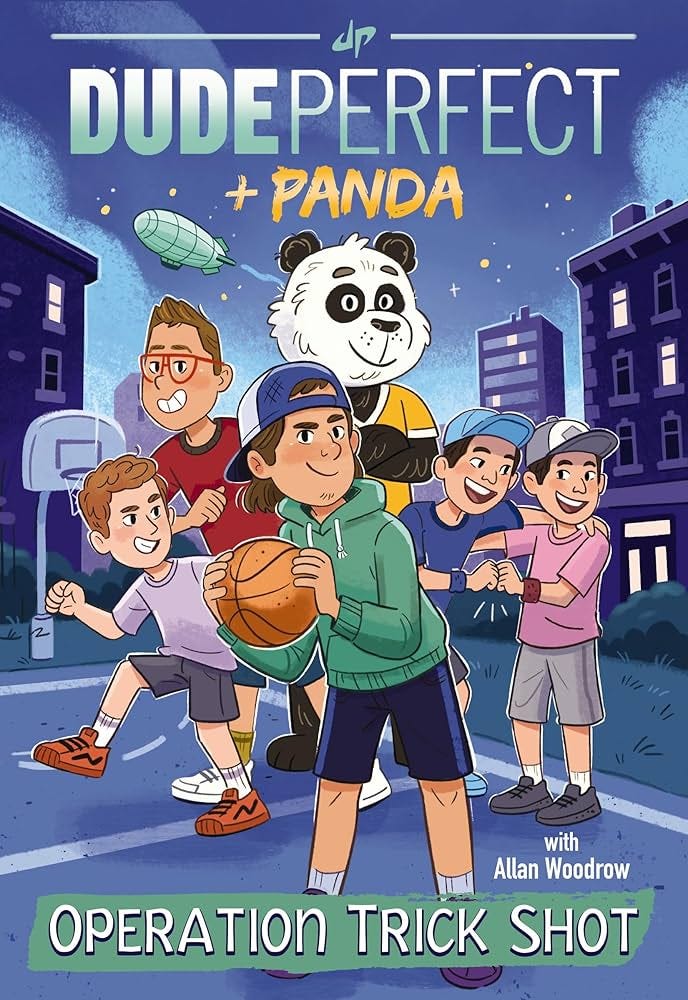
For format migration watchers, this highlights how major creator brands are extending their IP beyond online video. With over 100 million followers across platforms, Dude Perfect is building a broader story universe that spans publishing, cinema, and other media - creating opportunities for future cross-platform adaptations.
☀️ Weekend Vibes
If something sparked a thought, or you think a friend would enjoy this, hit reply or forward it along. Sandra x
Please feel free to reach out to me if you would like to discuss this further or if you have any questions: sandra@tvfuturist.com or connect with me on LinkedIn.